





What's Happening?
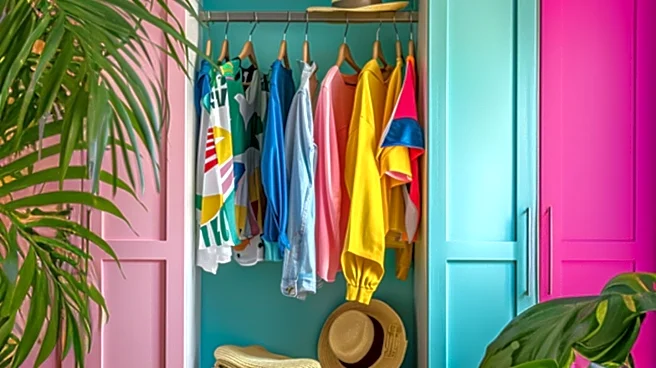
A cultural shift is occurring in the United States as Gen Z and other demographics move away from the minimalist 'quiet luxury' trend towards a more maximalist and nostalgic aesthetic. This trend, characterized by bold and gaudy displays of wealth, is reminiscent
of the 1980s but with a modern twist. The shift is evident in various aspects of culture, including interior design, fashion, and lifestyle choices. Notable examples include the resurgence of McMansions, maximalist interior designs, and the popularity of vintage items from estate sales. This movement is seen as a reaction against the understated and often elitist 'quiet luxury' that dominated the past decade, where wealth was displayed subtly and tastefully.
Why It's Important?
This trend signifies a broader cultural and economic shift in the U.S., where the younger generation is redefining what it means to display wealth and status. The move towards maximalism reflects a desire for individuality and a rejection of the previous era's understated norms. This could have significant implications for industries such as real estate, fashion, and interior design, as demand for bold and unique products increases. Additionally, this trend may influence social dynamics, as it challenges traditional notions of taste and class, potentially democratizing luxury by making it more accessible and visible.
What's Next?
As this trend continues to gain momentum, businesses and brands may need to adapt their strategies to cater to the changing preferences of consumers. This could involve offering more diverse and bold product lines and marketing strategies that emphasize individuality and nostalgia. Additionally, there may be a cultural pushback from traditionalists who favor the understated elegance of quiet luxury, leading to a potential clash of aesthetic values. The evolution of this trend will likely be shaped by ongoing cultural dialogues and economic conditions.
Beyond the Headlines
The embrace of maximalism and nostalgia by Gen Z could have deeper implications for societal values and identity. This trend may reflect a broader desire to reconnect with the past and find comfort in familiar aesthetics during uncertain times. It also raises questions about sustainability, as the production and consumption of bold, statement-making items may conflict with environmental goals. Furthermore, the trend highlights the role of social media and digital platforms in shaping cultural preferences, as algorithms increasingly influence what is considered fashionable or desirable.