




What's Happening?
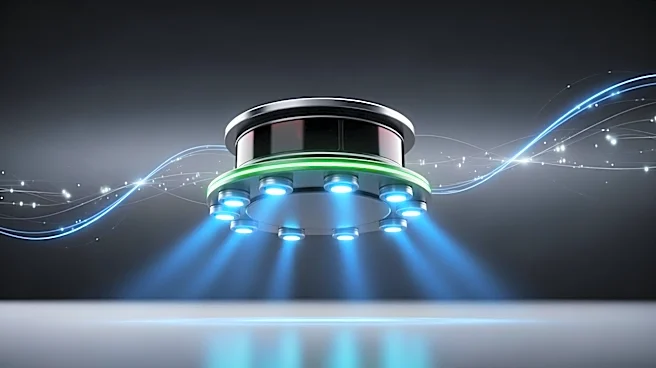
ECARX Holdings Inc. and TPK Holding Co., Ltd. have announced a partnership to develop the ORCA LiDAR platform, aimed at enhancing autonomous vehicle technology. The collaboration will leverage ECARX's system integration capabilities and TPK's optical
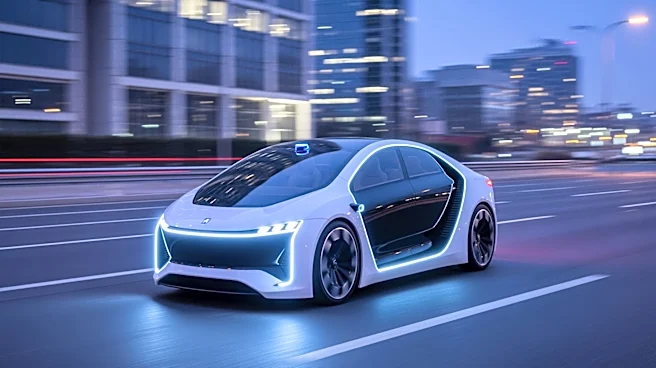
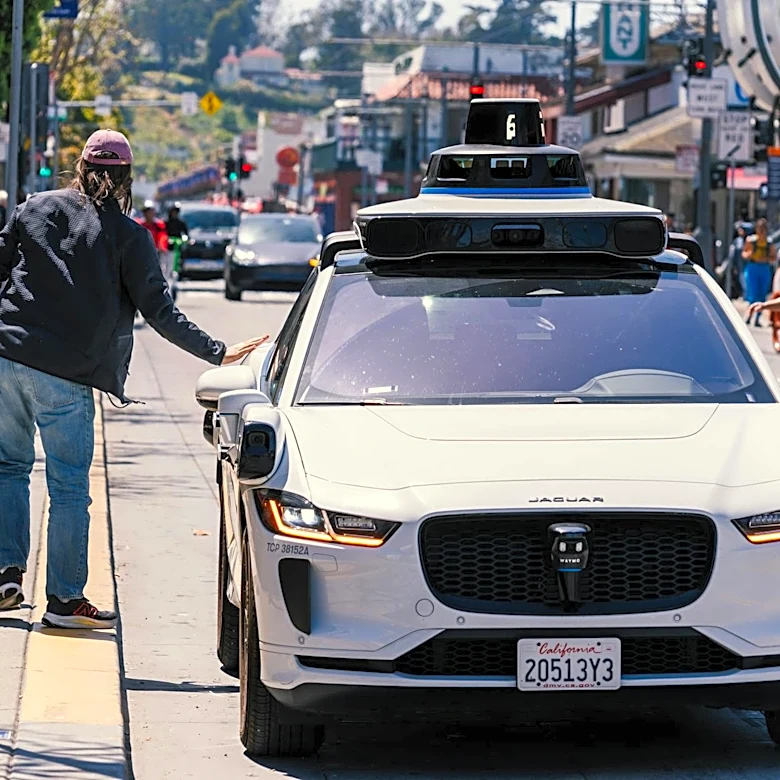
manufacturing expertise. The ORCA LiDAR platform is designed to meet global regulatory and safety standards, with mass production set to begin in 2028 at TPK's facility in Thailand. This initiative marks ECARX's entry into the LiDAR sector, aiming to provide advanced sensor systems for next-generation autonomous driving solutions. The platform will support both premium passenger cars and scalable autonomous mobility services, enhancing hardware-software coordination and performance.
Why It's Important?
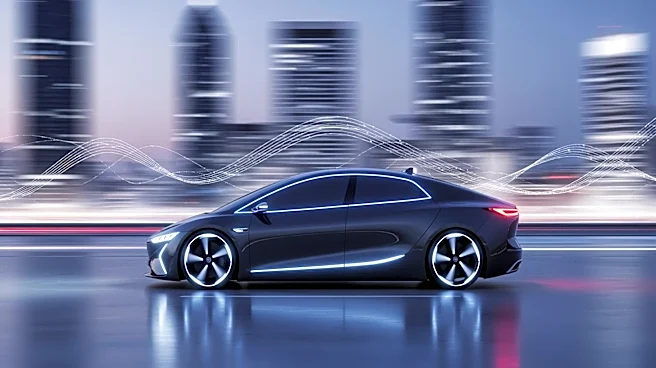
The development of the ORCA LiDAR platform represents a significant advancement in autonomous vehicle technology, which is crucial for the future of transportation. By combining ECARX's and TPK's strengths, the partnership aims to deliver competitive and reliable solutions to global automotive manufacturers and robotaxi operators. This collaboration highlights the growing importance of LiDAR technology in enabling safe and efficient autonomous driving. As the automotive industry shifts towards AI-driven and software-defined vehicles, innovations like the ORCA LiDAR platform are essential for meeting the increasing demand for advanced driver assistance systems and autonomous mobility.
What's Next?
The partnership between ECARX and TPK is expected to accelerate the development and deployment of LiDAR technology in the automotive industry. As production begins in 2028, the companies will focus on refining the platform to ensure it meets the needs of global markets. The collaboration may also lead to further innovations in autonomous vehicle technology, potentially influencing industry standards and regulatory frameworks. Stakeholders, including vehicle manufacturers and technology companies, will be monitoring the progress of this initiative closely, as it could shape the future landscape of autonomous driving solutions.