





What's Happening?
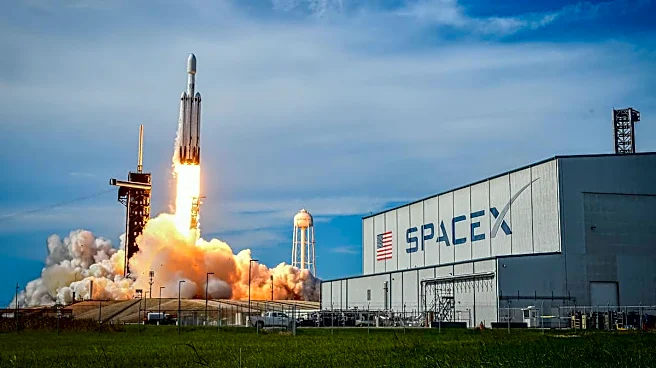
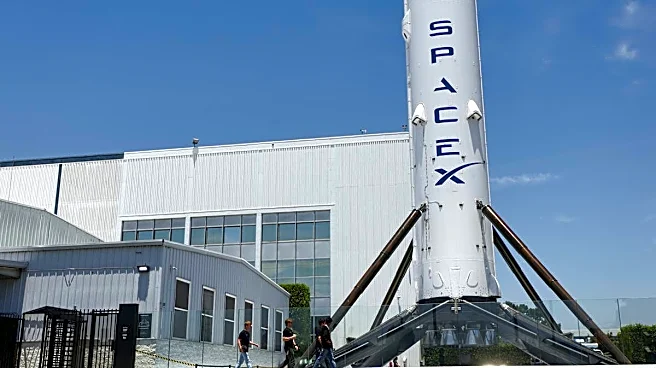
The upcoming initial public offering (IPO) of SpaceX is set to be the largest in history, with the company planning to raise at least $75 billion by selling over 555 million shares. This event is causing significant volatility in the stock market as investors
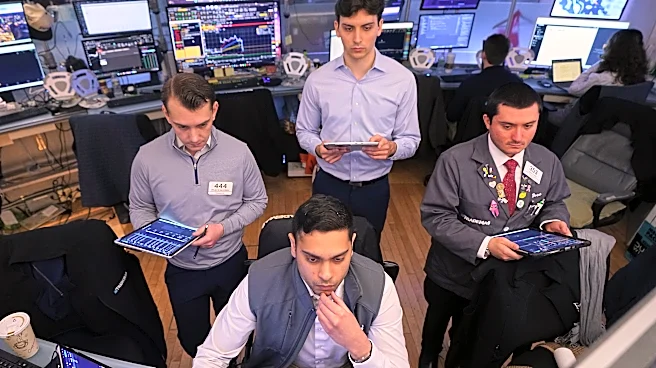
sell existing shares to purchase SpaceX stock, which will trade under the ticker SPCX on the Nasdaq. The IPO is expected to price on Thursday evening, with trading commencing on Friday. The high demand for SpaceX shares is leading to substantial price dislocations across various sectors, as market participants reallocate their portfolios. This situation is compounded by the fact that SpaceX's IPO is happening near the end of the second quarter, a period already expected to see over $100 billion in stock sales unrelated to the IPO.
Why It's Important?
The SpaceX IPO is significant due to its potential impact on the stock market and investor behavior. As one of the most highly valued startups, SpaceX's entry into the public market is drawing intense interest from both institutional and retail investors. The IPO's scale and timing could lead to a cascading effect of selling in other stocks, particularly those in the tech sector, as investors seek to free up capital. This could result in increased market volatility and price dislocations, affecting the broader economy. Additionally, the IPO highlights the growing influence of retail investors, whose 'fear of missing out' behavior could amplify market movements.
What's Next?
Following the IPO, the market will closely watch how SpaceX's stock performs and whether it meets the high expectations set by its valuation. The success of the IPO could influence future offerings, including those of other high-profile companies like OpenAI and Anthropic, which are also planning to go public. Investors will need to navigate the potential for further volatility as they adjust their portfolios in response to these developments. The broader market impact will depend on how well the influx of new shares is absorbed and whether demand can keep pace with supply.