



What's Happening?
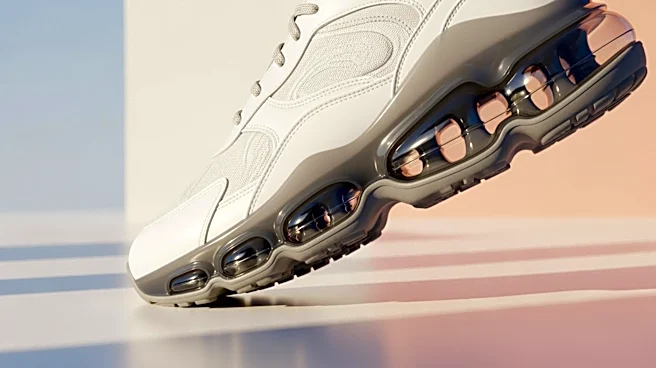
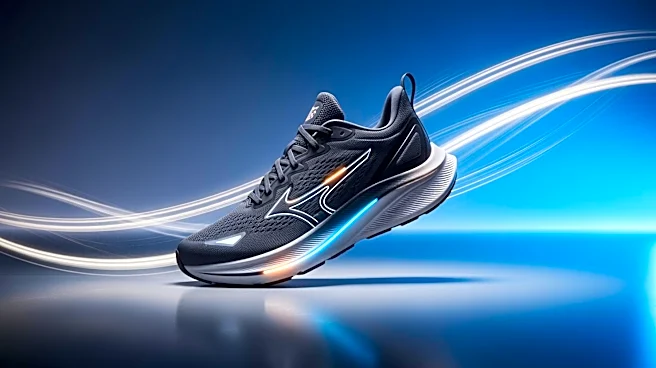
Nike has introduced the latest iteration of its Pegasus running shoe, designed to be more lightweight, responsive, and bouncy. The shoe features a full-length Air Zoom Unit, which includes an air bubble with spring-like threads that contract and pop back
into place as the foot hits the ground and takes off, providing a boost during running. The Pegasus also includes breathable mesh fabric, a waffle-patterned outsole for extra grip, and a wider toe box than previous versions. This update is part of a broader trend in the athletic footwear industry to enhance performance and comfort for runners.
Why It's Important?
The launch of the new Pegasus running shoe is significant for both Nike and the athletic footwear market. As consumers increasingly seek high-performance and comfortable running shoes, Nike's enhancements to the Pegasus model could strengthen its position in the competitive market. The improvements in design and technology may attract both casual runners and serious athletes, potentially increasing Nike's market share. Additionally, the focus on lightweight and responsive features aligns with current consumer preferences for versatile and efficient athletic gear.
What's Next?
Nike's continued innovation in running shoe technology suggests further advancements in future models. The company may explore additional materials and designs to enhance performance and sustainability. As the athletic footwear market evolves, competitors may respond with their own innovations, leading to a dynamic and competitive landscape. Consumer feedback on the new Pegasus model will likely influence Nike's future product development strategies.
Beyond the Headlines
The introduction of the new Pegasus model reflects broader trends in the athletic industry, where technology and design are increasingly integrated to improve user experience. This development may also impact the environmental footprint of athletic shoes, as companies explore sustainable materials and manufacturing processes. The focus on performance and comfort could lead to shifts in consumer expectations and purchasing behavior.