
What's Happening?
McDonald's has announced that it may not meet its emissions reduction targets for its supply chain and franchised restaurants by 2030, citing an energy crunch and fragile global supply chains. Despite
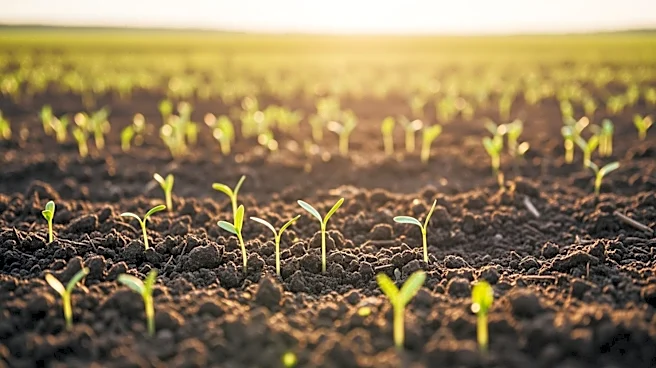
these challenges, the company remains committed to achieving net zero emissions by 2050. McDonald's plans to invest $1 billion over the next decade in supply chain initiatives, focusing on regenerative agriculture and maintaining affordable food supplies. The company has made progress in sourcing packaging from renewable, recycled, or certified materials, and is on track to exceed its scope 1 and 2 emissions goals for 2030, which are directly related to its operations.
Why It's Important?
This development highlights the complexities businesses face in balancing sustainability goals with operational realities. McDonald's situation underscores the broader challenges of transitioning to clean energy amid growing global energy demands and supply chain disruptions. The company's investment in regenerative agriculture reflects a strategic move to enhance sustainability while ensuring food affordability. This case may influence other corporations to reassess their sustainability strategies and investments, potentially impacting industry standards and consumer expectations regarding corporate environmental responsibility.
What's Next?
McDonald's will likely continue to explore innovative solutions to meet its long-term sustainability goals. This may involve partnerships with energy providers to secure cleaner energy sources and collaborations with suppliers to enhance sustainable practices. The company's progress and challenges could prompt discussions among industry peers and policymakers about the feasibility of current emissions targets and the need for supportive infrastructure and policies. Stakeholders will be watching closely to see how McDonald's navigates these challenges and what lessons can be learned for broader industry application.