





What's Happening?
Fandom tourism is emerging as a significant trend in the travel industry, characterized by travelers seeking experiences tied to cultural moments, such as concerts, festivals, and film locations. According to the HBX Group's 2026 Travel Trends report,
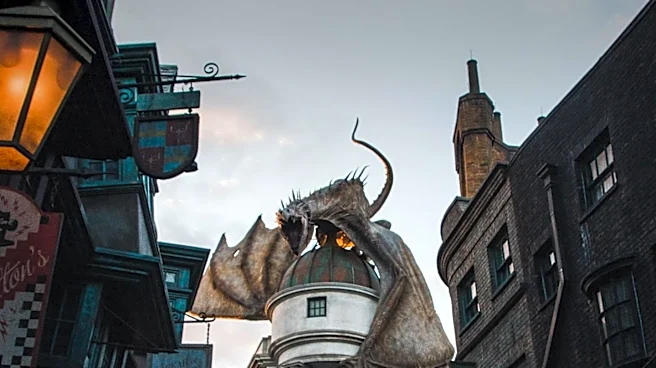
this form of tourism is driven by emotional connections and shared experiences, leading to increased demand for travel to specific events or destinations. This trend is not limited to traditional leisure travel but involves active participation in events that resonate with fans, such as music tours, film tourism, and cultural celebrations. The phenomenon, exemplified by events like Taylor Swift's Eras Tour, has shown significant economic impacts on local economies, with spikes in hotel bookings and restaurant revenues.
Why It's Important?
The rise of fandom tourism highlights a shift in travel preferences towards experience-led journeys, where emotional and cultural connections outweigh traditional factors like price and convenience. This trend presents opportunities for the hospitality industry to capitalize on increased demand by aligning marketing and operational strategies with event calendars. Hotels can benefit from understanding and anticipating these travel patterns, offering tailored services and packages that enhance guest experiences. The economic impact of fandom tourism is substantial, as seen in cities hosting major events, which experience economic booms due to the influx of fans. This trend underscores the importance of strategic planning and community engagement in the hospitality sector.
What's Next?
As fandom tourism continues to grow, hotels and travel businesses are likely to focus on enhancing their offerings to cater to this market. This includes developing packages that align with major events, providing logistical support, and creating community-focused spaces. The trend is expected to drive innovation in marketing strategies, with a focus on precision and targeted messaging to convert interest into bookings. Additionally, the hospitality industry may see increased collaboration with event organizers and local communities to create authentic and immersive experiences for travelers. The ongoing evolution of fandom tourism will require businesses to remain agile and responsive to changing consumer preferences.