




What's Happening?
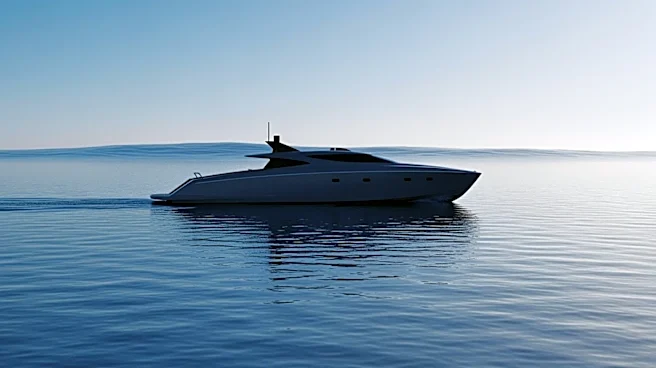
Aqua superPower and Tidal Transit have entered into a strategic partnership to facilitate the deployment of electric crew transfer vessels (E-CTVs) for ports and harbors that support offshore infrastructure, including wind projects. Under this agreement,
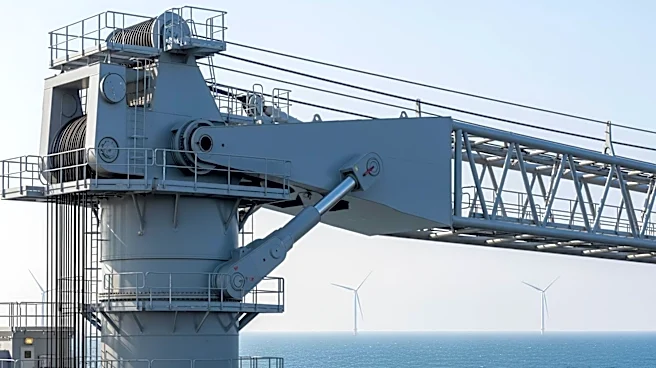
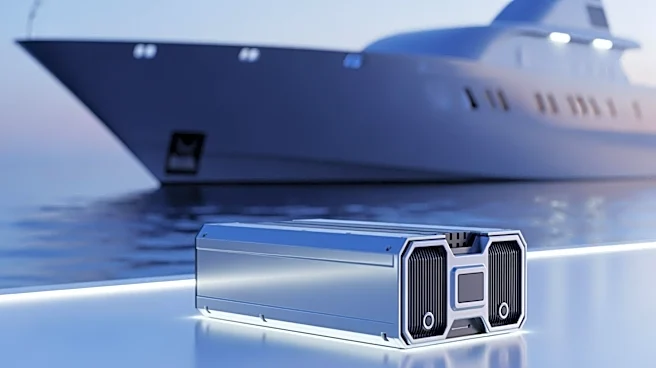
Tidal Transit will be responsible for building and operating E-CTV vessels and managing the installation of offshore charging infrastructure. Meanwhile, Aqua superPower will design, build, operate, and maintain shore-side charging systems at the origin ports of these vessels. This collaboration aims to streamline the deployment of electric vessel operations by integrating vessel capability, offshore charging expertise, and shore power infrastructure into a cohesive delivery model. Tidal Transit has already made strides in this area with its e-Ginny program, which developed the world's first diesel-to-electric CTV retrofit and established critical offshore charging infrastructure. The initiative highlights the increasing commercial viability and demand for electric CTVs, supported by comprehensive onshore and offshore charging solutions.
Why It's Important?
The partnership between Aqua superPower and Tidal Transit is significant as it addresses the growing need for sustainable marine operations, particularly in the offshore wind sector. By providing a complete charging ecosystem for electric crew transfer vessels, the collaboration offers a practical solution for ports and harbors aiming to decarbonize their operations. This move not only helps reduce emissions but also lowers operating costs for offshore operators. As the offshore wind capacity continues to expand globally, the adoption of electric CTVs could play a crucial role in achieving long-term sustainability goals. The partnership also demonstrates the potential for innovation in the maritime industry, encouraging other sectors to explore similar sustainable solutions.
What's Next?
The collaboration is expected to accelerate the transition to electric vessel operations, with potential implications for policy and regulatory frameworks in the maritime industry. As more ports and harbors adopt electric CTVs, there may be increased pressure on governments and regulatory bodies to support infrastructure development and provide incentives for sustainable maritime practices. Additionally, the success of this partnership could inspire further collaborations between technology providers and maritime operators, fostering innovation and investment in clean marine technologies.