






What's Happening?
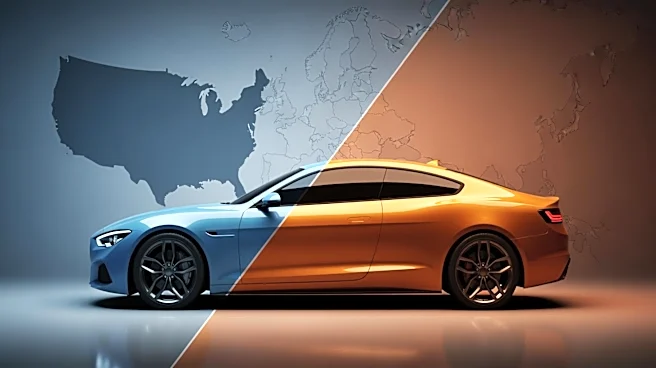
The ongoing conflict in Iran is impacting global fuel prices, leading to a shift in consumer preferences towards electric vehicles (EVs) in the U.S. and Europe. According to a report by HSBC Bank, the prolonged conflict and potential supply disruptions
are driving increased interest in both new and used EVs. Fuel prices have risen significantly, with U.S. gasoline averaging $4.51 per gallon. Automakers like Toyota are seeing a rise in electrified vehicle sales, with hybrids and battery-electric vehicles gaining popularity. In Europe, while interest in EVs is growing, it has not yet translated into a surge in orders.
Why It's Important?
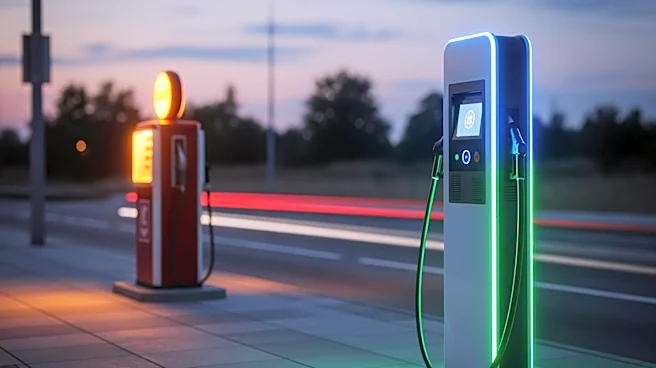
The shift towards electric vehicles reflects broader changes in consumer behavior driven by geopolitical events and environmental concerns. Rising fuel prices are accelerating the transition to cleaner energy sources, impacting the automotive industry and potentially reducing reliance on fossil fuels. This trend could lead to increased investment in EV infrastructure and innovation, influencing market dynamics and regulatory policies. Automakers may need to adjust production strategies to meet growing demand for EVs, which could have long-term implications for the industry.
What's Next?
As fuel prices remain high, the demand for electric vehicles is expected to continue growing. Automakers may ramp up production of EVs to meet consumer demand, while governments could enhance incentives and infrastructure to support the transition. The automotive industry will likely focus on overcoming challenges such as charging infrastructure and vehicle affordability. The ongoing geopolitical situation may further influence energy policies and international relations, particularly concerning oil-dependent economies.