

What's Happening?
Primark has launched an updated version of its Circular Product Standard, aiming to embed circular design more deeply across its business. This initiative is part of Primark's ongoing efforts to increase the share of products designed with durability,
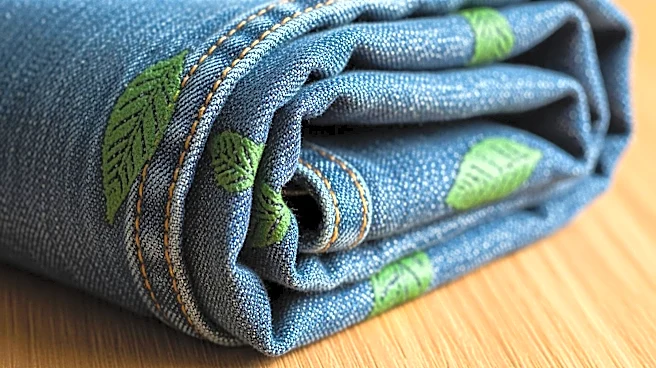
recyclability, and sustainable materials in mind. The updated standard introduces a new 'Progressive' level, which sets higher expectations for materials, durability, and recyclability. Primark reports that 5% of all clothing units sold in the 2024/25 financial year were circular by design, with specific categories like jersey products reaching 20% and denim at 8%. The updated framework focuses on three core principles: durability, sustainable materials, and recyclability. Practical changes include reducing the depth of elasticated waistbands and removing non-functional trims to facilitate recycling. The retailer is also enhancing its internal knowledge of circular design through training programs developed with partners like the Circular Textiles Foundation.
Why It's Important?
Primark's updated Circular Product Standard represents a significant step towards sustainable fashion, addressing the growing consumer demand for environmentally friendly products. By focusing on circular design, Primark aims to reduce waste and promote the use of recycled materials, which could lead to a decrease in the environmental impact of the fashion industry. This move aligns with broader industry trends towards sustainability and could influence other retailers to adopt similar practices. The initiative also highlights the importance of making sustainable fashion accessible and affordable, potentially broadening its appeal to a wider audience. As Primark continues to refine its approach, it may set a precedent for other companies, encouraging industry-wide shifts towards more sustainable practices.
What's Next?
Primark plans to continue building its internal knowledge of circular design, offering training to new buyers and collaborating with partners to refine its approach. The company is likely to monitor the impact of these changes on its supply chain and consumer response. As the updated Circular Product Standard is implemented, Primark may face challenges in balancing cost, sustainability, and consumer expectations. The success of this initiative could lead to further innovations in product design and supply chain management, potentially influencing industry standards. Stakeholders, including suppliers and environmental groups, will likely watch closely to assess the effectiveness and scalability of Primark's efforts.