
What's Happening?
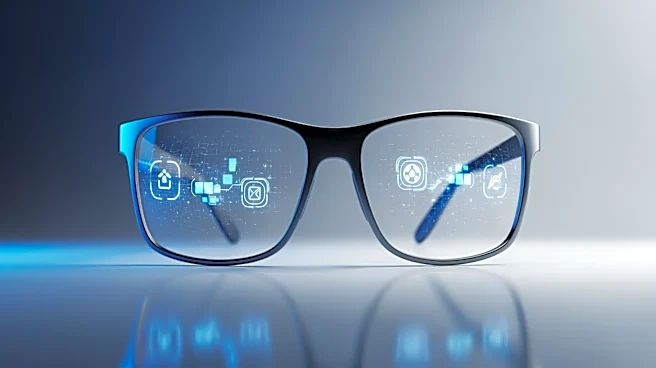
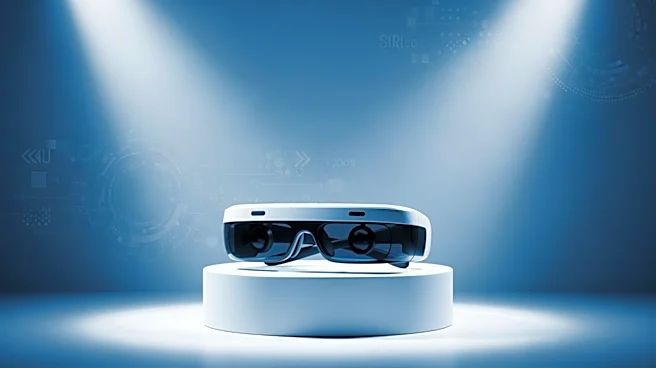
The augmented reality (AR) industry is gearing up for significant changes in 2026, as major tech companies and startups announce new devices and platforms. Snap is reportedly advancing its consumer AR glasses,
aiming for a 2026 launch with a focus on lightweight, social-first hardware that integrates with Snapchat. Meta is planning phased rollouts for its Ray-Ban Display and Nazare projects, indicating a gradual expansion of developer access. Apple continues to lead in premium AR experiences with its Vision Pro ecosystem, shaping where high-end AR content will appear. Other notable developments include Niantic's location-based AR initiatives and Amazon's exploration of AR glasses for enhancing shopping experiences. These moves highlight a competitive landscape where companies are vying for control over developer attention and device supply.
Why It's Important?
The developments in the AR industry are poised to have a significant impact on both consumers and developers. For consumers, the introduction of new AR devices could transform everyday experiences, such as shopping and social interactions, by integrating digital overlays into the physical world. For developers, the competition among major tech companies to establish dominant platforms means that the tools and ecosystems they choose to invest in will shape the future of AR applications. Companies like Snap and Meta are focusing on creating ecosystems that attract developers, which in turn will influence consumer adoption. The success of these initiatives could redefine how AR is used in various sectors, from retail to entertainment, and determine which companies lead the next wave of technological innovation.
What's Next?
As the AR industry moves towards 2026, several key developments are expected. Snap's consumer AR glasses are anticipated to target creators and location-based experiences, potentially mainstreaming lightweight AR. Meta's phased rollouts suggest a focus on expanding platform capabilities gradually, which may lead to increased developer engagement. Apple's continued emphasis on premium AR experiences will likely influence the types of applications that thrive in its ecosystem. Additionally, Amazon's exploration of AR for shopping could revolutionize retail by bridging online and in-store experiences. These initiatives will likely lead to a fragmented market where different approaches compete for consumer attention, with the potential for quick wins in specific areas like shopping overlays and social lenses.