

What's Happening?
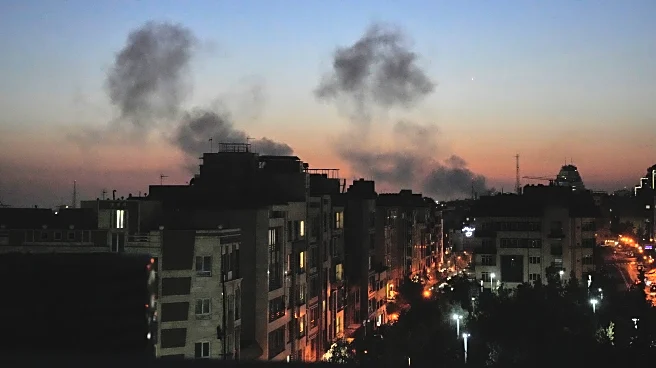
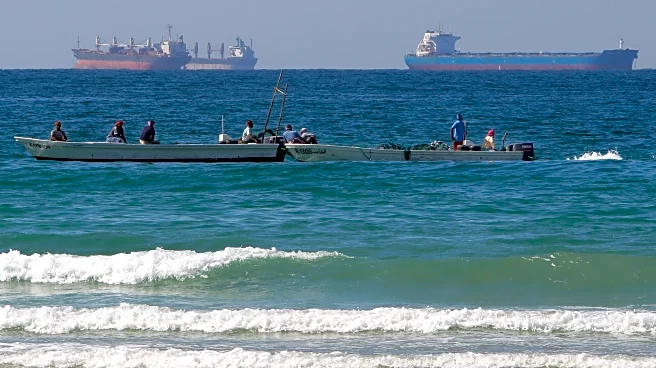
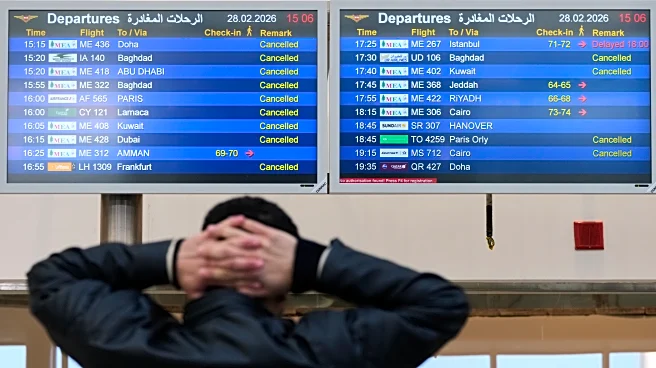
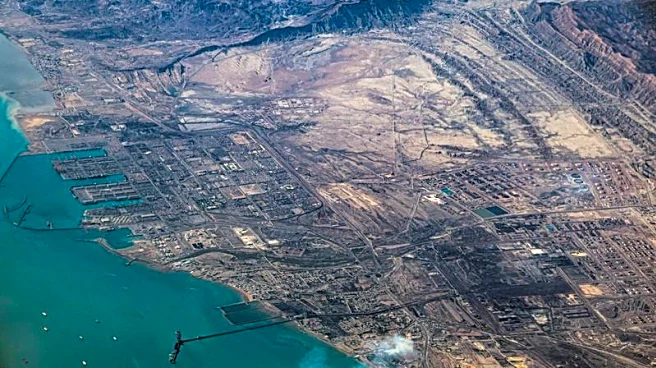
Formula 1 is closely monitoring the situation in the Middle East to decide whether to proceed with the Bahrain and Saudi Arabian Grand Prix scheduled for April. The conflict, involving U.S. and Israeli strikes on Iran and subsequent attacks on Gulf countries,
raises safety concerns for these events. Alpine driver Pierre Gasly expressed confidence that F1 will make the right decision, emphasizing the importance of safety. The opening races in Australia, China, and Japan are unaffected. The World Endurance Championship has already postponed its season-opener in Qatar due to the conflict.
Why It's Important?
The potential cancellation of the Bahrain and Saudi Arabian Grand Prix could have significant implications for the F1 calendar and the sport's global reach. These races are crucial for F1's presence in the Middle East, a region that has become increasingly important for the sport's expansion and sponsorship opportunities. The situation underscores the challenges of hosting international sporting events in politically unstable regions, highlighting the need for contingency planning and the impact of geopolitical tensions on global sports.
What's Next?
F1 officials are expected to make a decision on the Bahrain and Saudi Arabian races by mid-March. If the events are canceled, alternative venues such as Portimao in Portugal and Imola in Italy may be considered. The sport will continue to monitor the situation closely, with the hope that tensions in the Middle East will de-escalate, allowing the races to proceed as planned. The outcome will also influence the scheduling of other races and the overall structure of the 2026 F1 season.