





What's Happening?
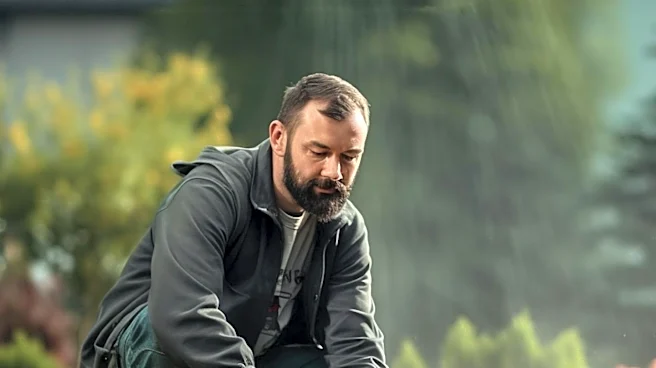
Urban gardening is gaining popularity as city dwellers seek to create green spaces in limited areas. Experts suggest that smaller spaces can be advantageous, allowing for quick transformation and creative solutions. Alan Calpe, co-founder of Gardenheir,
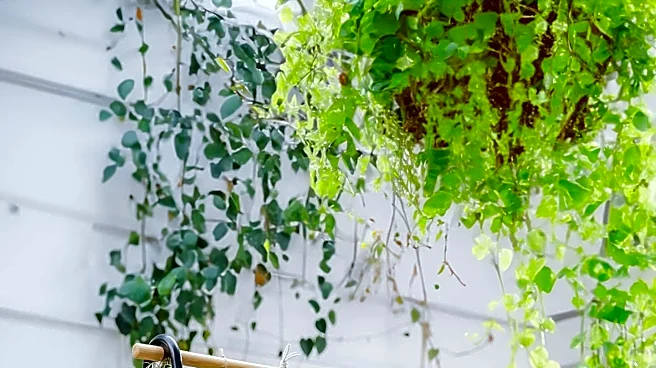
and Teresa Kao, farm manager at The French Laundry Culinary Garden, emphasize starting small, such as with a single planter, and building from there. Essential tools like a watering can, gardening gloves, and a small garden tarp are recommended. The focus is on using available space creatively, whether it's a balcony, stoop, or windowsill, to cultivate a personal garden.
Why It's Important?
The rise of urban gardening reflects a growing interest in sustainable living and self-sufficiency among city residents. As urban areas continue to expand, green spaces become more limited, making personal gardens a valuable way to connect with nature. This trend also highlights the importance of mental well-being, as gardening is known to reduce stress and improve mood. The movement towards urban gardening can lead to increased demand for gardening supplies and tools, as well as educational resources for novice gardeners. It also encourages community building and environmental awareness in urban settings.
What's Next?
As more people embrace urban gardening, there may be a rise in community gardening initiatives and workshops to support and educate new gardeners. Retailers could see increased demand for compact gardening tools and supplies tailored to small spaces. Additionally, urban planners and developers might incorporate more green spaces into city designs to accommodate this growing interest. The trend could also inspire innovations in gardening technology, such as vertical gardens and smart gardening systems, to maximize space and efficiency. Overall, urban gardening is set to become an integral part of city living, promoting sustainability and well-being.