




What's Happening?
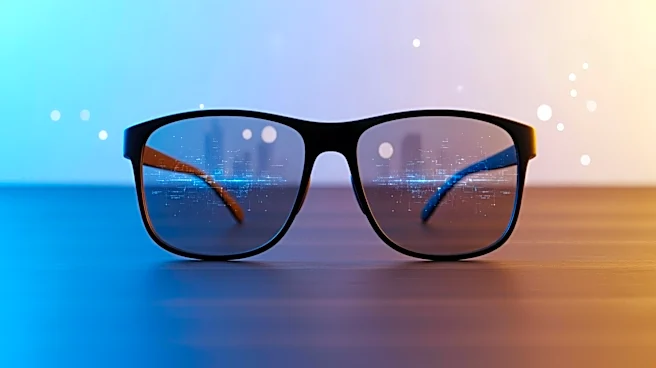
In 2026, major tech companies are advancing the development and release of smart glasses, aiming to integrate augmented reality (AR) into everyday life. Meta has introduced Ray-Ban smart glasses priced at $499, marking a shift from experimental to consumer-friendly
AR products. Samsung is reportedly working on Galaxy Glasses that resemble Ray-Ban's design, potentially easing consumer adoption. Warby Parker and Google are collaborating to offer AI-powered glasses in retail stores, focusing on accessibility and affordability. Additionally, Apple is testing multiple smart-glass prototypes, indicating a strategic entry into the AR market. These developments highlight a growing trend towards making AR technology more accessible and practical for daily use.
Why It's Important?
The push towards mainstream smart glasses signifies a potential transformation in how consumers interact with technology. By offering products at a $499 price point, companies like Meta are making AR more accessible to the average consumer, which could lead to widespread adoption. This shift could impact various sectors, including retail, where in-store fitting and service become crucial for smart eyewear. The collaboration between Warby Parker and Google highlights the importance of integrating AI and AR in consumer products, potentially enhancing user experience and accessibility. As companies like Apple enter the market, the competition could drive innovation and lower prices, benefiting consumers and expanding the AR ecosystem.
What's Next?
As smart glasses become more prevalent, consumers can expect a diverse range of products catering to different needs, from enterprise solutions to everyday use. Companies will likely focus on improving battery life, prescription compatibility, and user interface to enhance the overall experience. Retailers may play a significant role in the adoption process by offering hands-on trials and flexible return policies. The success of these products will depend on consumer acceptance and the ability of companies to address practical concerns such as comfort and functionality. The market's response will shape future developments and determine the long-term viability of smart glasses as a mainstream technology.