







What's Happening?
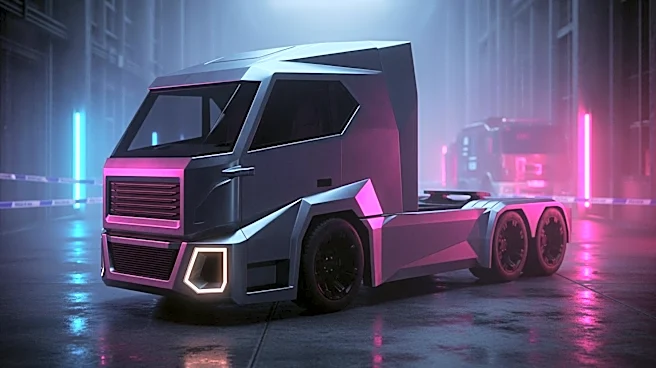
In recent months, several TV shows have prominently featured the Tesla Cybertruck as a symbol of villainy and poor taste. Shows like 'The Boys', 'Euphoria', and 'Jury Duty Presents: Company Retreat' have used the vehicle to characterize their less favorable
characters. The Cybertruck, known for its distinctive design, has been depicted as a vehicle of choice for characters portrayed as losers or villains. This trend has been observed across various genres, from superhero series to teen dramas and faux-reality comedies. The Cybertruck's portrayal on TV has sparked discussions about its cultural significance and the broader implications of its association with negative character traits.
Why It's Important?
The use of the Cybertruck as a symbol of poor taste and villainy in popular media reflects broader cultural perceptions of the vehicle and its association with its creator, Elon Musk. This portrayal could impact Tesla's brand image, as the Cybertruck becomes a visual shorthand for negative traits. The trend also highlights the influence of media in shaping public perceptions of products and their owners. For Tesla, this could mean a challenge in marketing the Cybertruck to a broader audience, as its current depiction may deter potential buyers who do not wish to be associated with the negative connotations presented on TV.
What's Next?
As the Cybertruck continues to appear in various TV shows, Tesla may need to address its portrayal to protect its brand image. This could involve strategic marketing efforts to counteract the negative associations or embracing the notoriety as a form of edgy branding. Additionally, the ongoing cultural conversation about the Cybertruck may influence future product placements and the types of characters associated with the vehicle in media. The response from Tesla and its impact on sales and public perception will be crucial in determining the vehicle's future in the market.
Beyond the Headlines
The depiction of the Cybertruck in media raises questions about the ethics of product placement and the responsibilities of content creators in shaping public perceptions. It also reflects the broader cultural divide in the U.S., where products and their associations can become symbols of political and social identity. The Cybertruck's portrayal may also influence how other tech products are perceived, particularly those associated with high-profile figures like Elon Musk. This trend underscores the power of media narratives in influencing consumer behavior and societal attitudes.