







What's Happening?
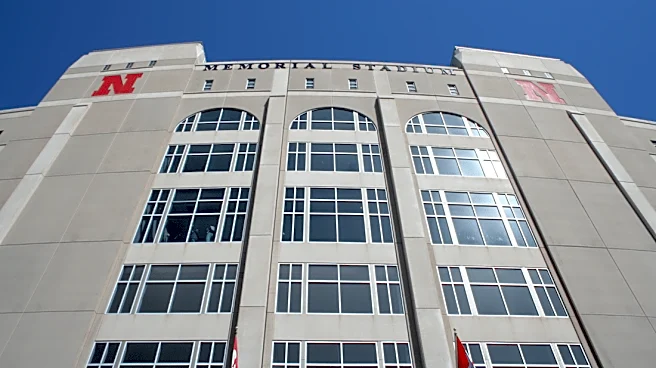
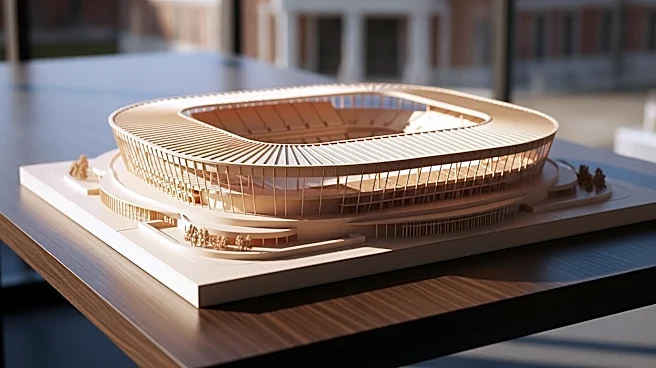
The University of Nebraska regents have approved a $600 million renovation project for the 103-year-old Memorial Stadium. This extensive overhaul aims to modernize the venue, making it more fan-friendly and increasing its revenue potential. The project will
be financed through a combination of $250 million in philanthropic contributions and $350 million in private bond financing. The renovation is scheduled for completion by the start of the 2028 football season. The stadium, which has been home to the Cornhuskers since 1923, will see upgrades in amenities and the addition of a new concourse connecting the east and west sides. The planned capacity is set at 80,000, including 20,000 new chairback seats. The university anticipates that the stadium will host concerts and other events year-round, with annual revenue expected to increase by 40% to approximately $95 million.
Why It's Important?
This renovation project is significant as it represents a major investment in the future of Nebraska's athletic facilities, ensuring that Memorial Stadium remains a premier destination for college athletics and other events. The modernization of the stadium is expected to enhance the fan experience, potentially attracting more visitors and increasing revenue. The project also underscores the importance of philanthropic support and private financing in funding large-scale university projects. By increasing the stadium's capacity and upgrading its facilities, the university aims to maintain its NCAA-record sellout streak and continue to be a competitive force in college athletics. The economic impact of hosting additional events could also benefit the local economy, providing a boost to businesses and creating job opportunities.
What's Next?
As the project progresses, the university will likely engage with stakeholders, including fans, alumni, and local businesses, to ensure the renovation meets the needs of all parties involved. The construction phase will require careful planning to minimize disruptions to ongoing events and activities at the stadium. Additionally, the university may explore further opportunities to leverage the renovated stadium for additional revenue streams, such as hosting larger-scale events or partnering with corporate sponsors. The success of the renovation could set a precedent for other universities considering similar investments in their athletic facilities.