








What's Happening?
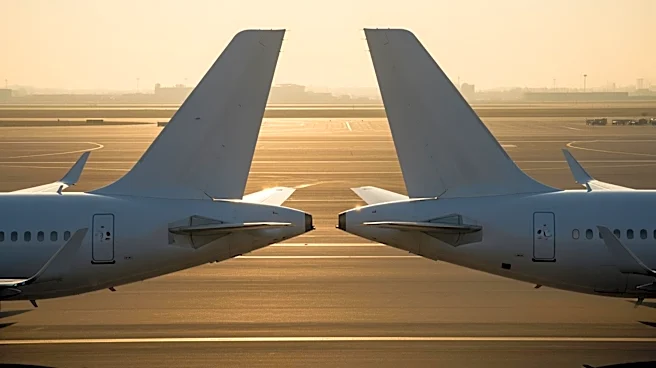
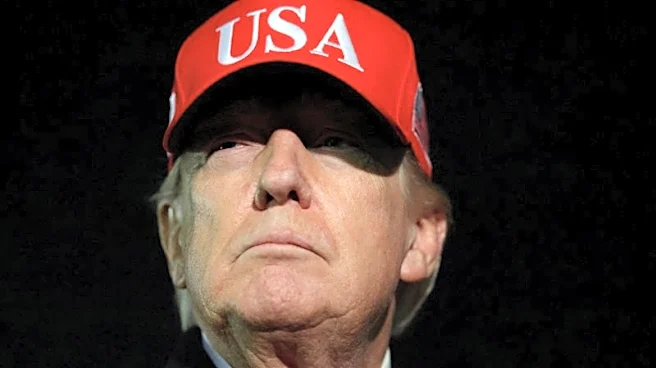
United Airlines CEO Scott Kirby has proposed a merger with American Airlines during a meeting with President Trump in late February. This potential merger between two of the largest U.S. network carriers could reshape the airline industry, but it is expected
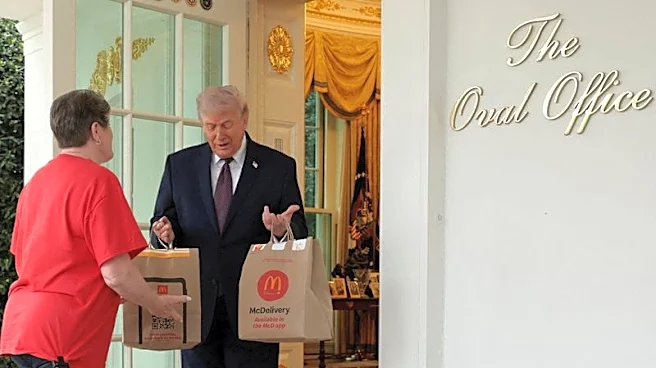
to face significant regulatory hurdles. The meeting took place at the White House, coinciding with discussions on the future of Dulles airport. Kirby argued that a combined airline would enhance competition in international markets, aligning with the Trump administration's focus on U.S. trade deficits. However, industry officials anticipate strong opposition from unions, rival airlines, lawmakers, and airports due to concerns about route overlap and job losses.
Why It's Important?
The proposed merger between United Airlines and American Airlines could significantly impact the U.S. airline industry by further consolidating a market already dominated by four major players. This consolidation could lead to reduced competition, potentially resulting in higher ticket prices and fewer options for consumers. The merger aligns with the Trump administration's trade policies but raises concerns about its impact on consumer costs, especially ahead of midterm elections. Antitrust experts believe the deal may struggle to gain approval due to its potential effects on pricing power and competition.
What's Next?
If the merger proposal progresses, it will likely face intense scrutiny from regulatory bodies, including antitrust evaluations. Stakeholders such as unions, rival airlines, and consumer advocacy groups are expected to voice their concerns, emphasizing the potential negative impact on competition and consumer pricing. The Trump administration's stance on consumer costs and competition will play a crucial role in determining the merger's feasibility. The industry will closely monitor any formal approaches or negotiations between United and American Airlines.
Beyond the Headlines
The merger proposal highlights broader issues within the airline industry, such as the balance between competition and consolidation. It raises ethical questions about the impact on consumer choice and pricing, as well as the potential for job losses. The proposal also reflects ongoing challenges in the industry, including high fuel costs and the need for strategic partnerships to enhance global competitiveness. The outcome of this proposal could set a precedent for future mergers and acquisitions in the airline sector.