





What's Happening?
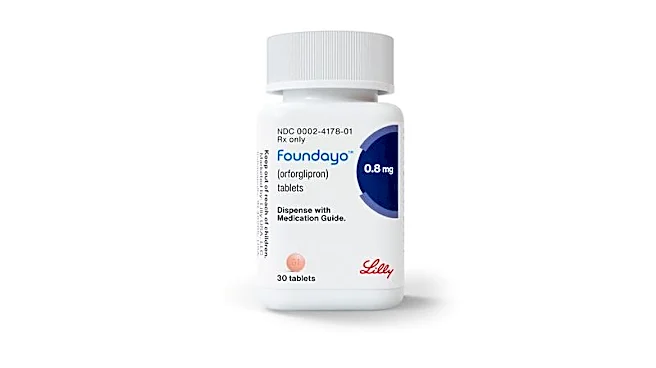
Eli Lilly's market share in India's weight-loss drug market fell from 61% in February to 56% in March, according to industry intelligence provider Pharmarack. This decline comes as Indian generic drugmakers have launched 26 brands of semaglutide, a key
ingredient in Novo Nordisk's GLP-1 drugs, which are prescribed for weight loss and diabetes management. Despite the expiration of the semaglutide patent, Novo Nordisk's market share remained steady at 25%. The introduction of cheaper generics has led to a widening cost differential between semaglutide and Eli Lilly's tirzepatide-based brands, which are more expensive but considered more effective. Experts suggest that tirzepatide may become restricted to wealthier patients focused on weight loss due to its higher price point.
Why It's Important?
The shift in market dynamics highlights the impact of generic drug availability on established pharmaceutical companies. Eli Lilly's decline in market share suggests that consumers are increasingly opting for more affordable alternatives, which could lead to significant revenue losses for the company. The situation underscores the importance of pricing strategies in the pharmaceutical industry, especially in markets like India, known for its robust generic drug sector. As the demand for anti-obesity drugs grows, companies like Eli Lilly may need to reassess their pricing models to remain competitive. The broader implications could affect global pharmaceutical strategies, particularly in emerging markets where cost is a critical factor for consumers.
What's Next?
Eli Lilly may need to consider strategic adjustments, such as price reductions or marketing efforts, to regain its competitive edge in the Indian market. Novo Nordisk's decision to reduce prices for its Ozempic and Wegovy drugs by 38% and 48%, respectively, indicates a potential price war that could further influence market dynamics. The ongoing competition may lead to increased accessibility of weight-loss medications, benefiting consumers but challenging pharmaceutical companies to innovate and adapt. Monitoring the response from Eli Lilly and other stakeholders will be crucial in understanding the future landscape of the weight-loss drug market.