

What's Happening?
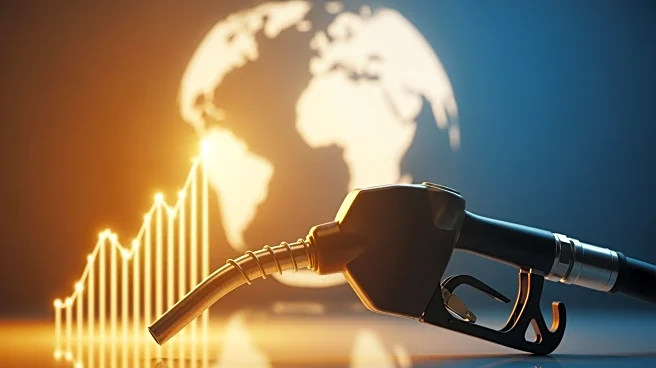
The recent surge in gas prices, driven by geopolitical tensions, is affecting consumer spending and the fashion retail industry. Gas prices have increased by 33% over the past month, reaching $3.91 per gallon. This rise is impacting consumer sentiment,
with a decline in confidence reported by the University of Michigan Surveys of Consumers. Analysts suggest that higher gas prices act as a 'tax' on consumers, reducing discretionary spending. Lower-income consumers are particularly affected, with less disposable income for non-essential purchases. The fashion retail sector, especially value-oriented and discretionary retailers, is expected to face challenges as consumers prioritize essential spending.
Why It's Important?
The increase in gas prices has broader economic implications, potentially slowing growth and affecting consumer and corporate sentiment. Retailers may experience reduced sales, particularly those targeting lower-income consumers. The situation underscores the interconnectedness of global events and domestic economic conditions, highlighting the vulnerability of consumer-driven industries to external shocks. Businesses may need to adjust strategies to navigate these challenges, potentially impacting employment and economic stability.
What's Next?
Retailers are likely to monitor consumer behavior closely and may adjust pricing or promotional strategies to maintain sales. The ongoing geopolitical situation could further influence gas prices and consumer confidence. Policymakers may consider interventions to stabilize prices or support affected industries. The fashion retail sector may need to innovate to attract consumers amid changing spending patterns.