



What's Happening?
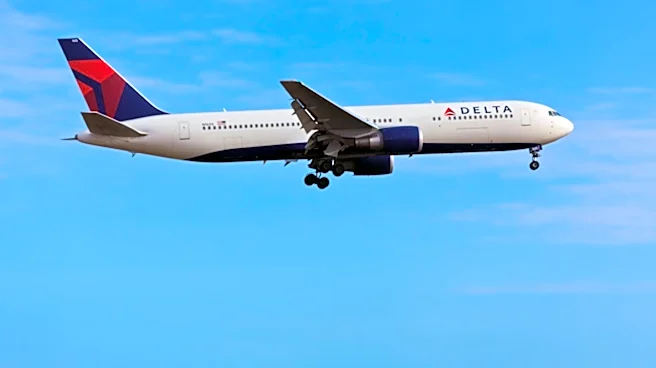
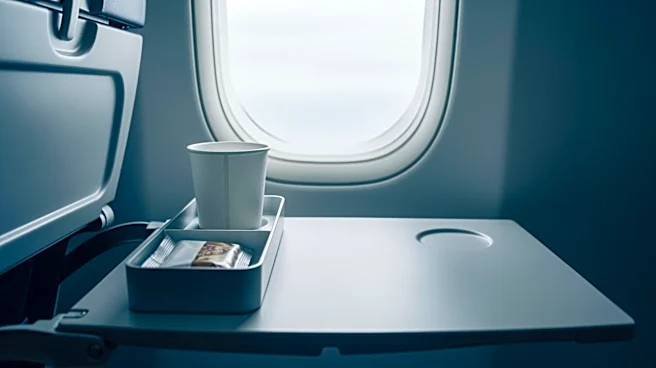
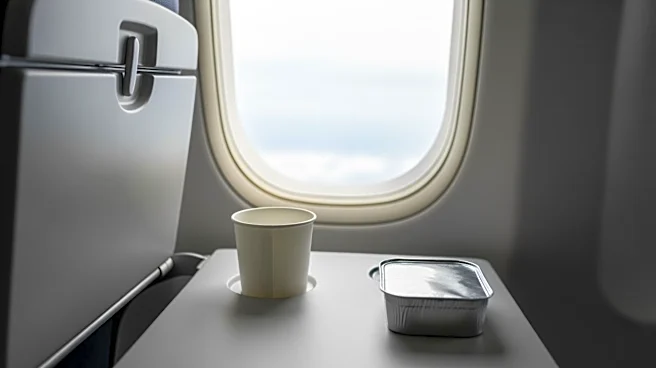
Delta Air Lines has announced a significant change to its onboard service, effective May 19, 2026. The airline will discontinue food and beverage service on flights of 350 miles or less, which typically last under an hour. This change will impact approximately
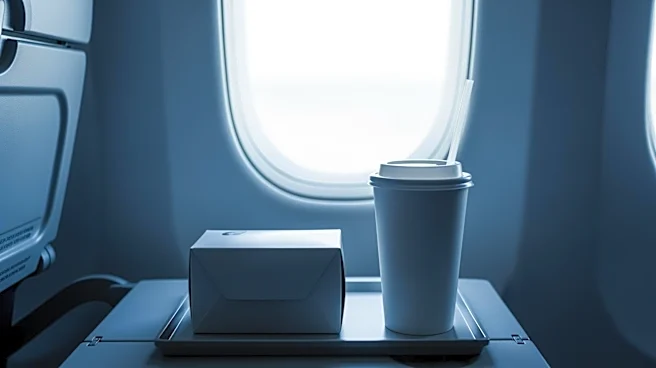
9% of Delta's daily flights. Passengers in Delta Comfort and Delta Main cabins on these short-haul routes will no longer receive complimentary snacks or drinks. However, those flying in first class will continue to receive full service regardless of the flight distance. Delta's decision aims to standardize the passenger experience across its network, which includes about 5,500 daily flights. The airline is simultaneously expanding full snack and beverage service, including alcoholic drinks, on longer routes, affecting 14% of its flights.
Why It's Important?
This policy shift by Delta Air Lines reflects broader trends in the airline industry, where operational efficiency and cost management are increasingly prioritized. By eliminating service on shorter flights, Delta can potentially reduce costs associated with catering and logistics. This move may also influence passenger expectations and satisfaction, particularly for frequent travelers on short routes. The decision aligns Delta with other major U.S. airlines like United and American, which have similar restrictions on short-haul flights. The change could impact Delta's competitive positioning, as passengers may choose airlines based on service offerings. Additionally, this decision highlights the ongoing adjustments airlines are making in response to evolving passenger expectations and economic pressures.
What's Next?
As Delta implements these changes, passenger feedback will be crucial in assessing the impact on customer satisfaction and brand loyalty. The airline may need to monitor passenger reactions and adjust its service offerings accordingly. Competitors may also respond by reevaluating their own service policies to maintain or enhance their market position. Delta's focus on standardizing the passenger experience could lead to further adjustments in its service model, potentially influencing industry standards. Stakeholders, including airline staff and catering partners, will need to adapt to these changes, which may involve operational shifts and retraining.