





What's Happening?
Gold prices fell by more than 1% due to a stronger U.S. dollar and high Treasury yields, driven by persistent inflation fears. Spot gold dropped to $4,503.98 per ounce, its lowest since March 30. The decline is attributed to a global rise in real interest
rates and a stronger dollar, which negatively impact gold. The market anticipates limited rate cuts through 2026, with potential tightening later in the year. Despite gold's role as an inflation hedge, high interest rates create a challenging environment for its prices. Other precious metals, including silver, platinum, and palladium, also experienced declines.
Why It's Important?
The drop in gold prices underscores the impact of macroeconomic factors on commodity markets. High Treasury yields increase the cost of holding non-yielding assets like gold, while a strong dollar makes gold more expensive for foreign investors. These dynamics reflect broader economic conditions, including inflation and central bank policies. The situation highlights the challenges faced by investors seeking safe-haven assets in a volatile economic environment. The performance of gold and other precious metals serves as an indicator of market sentiment and economic stability.
What's Next?
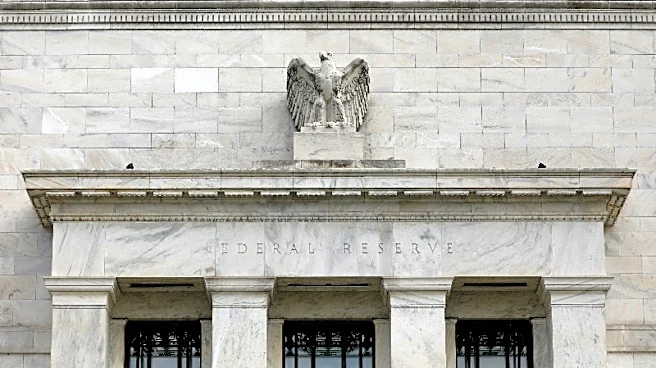
Investors are awaiting the release of the Federal Reserve's policy meeting minutes, which could provide insights into future interest rate decisions. The market will also monitor energy prices and geopolitical developments, as these factors influence inflation and economic stability. As central banks navigate these challenges, their policies will play a crucial role in shaping the investment landscape and commodity markets.