





What's Happening?
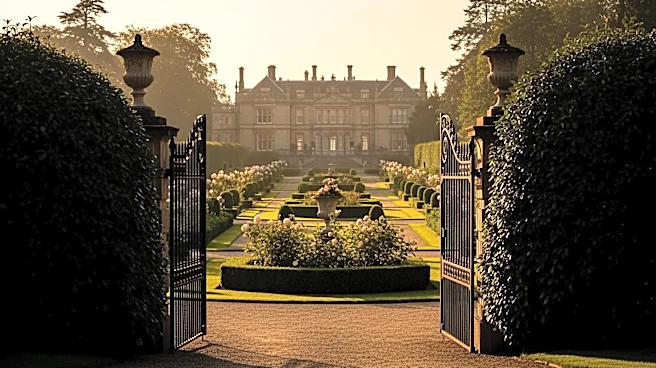
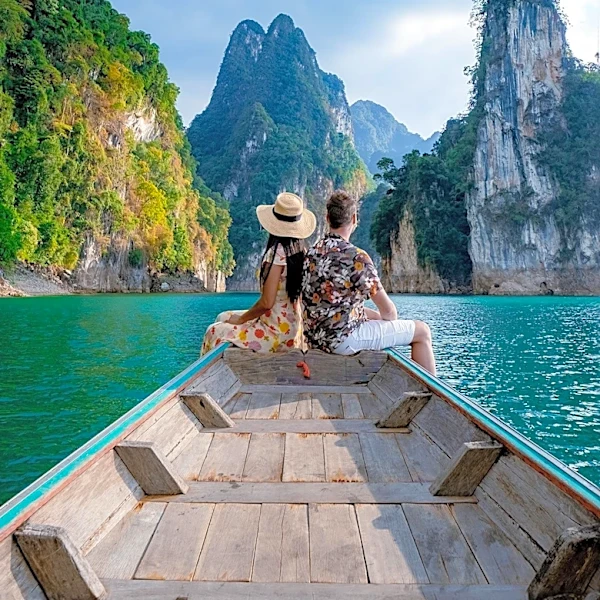
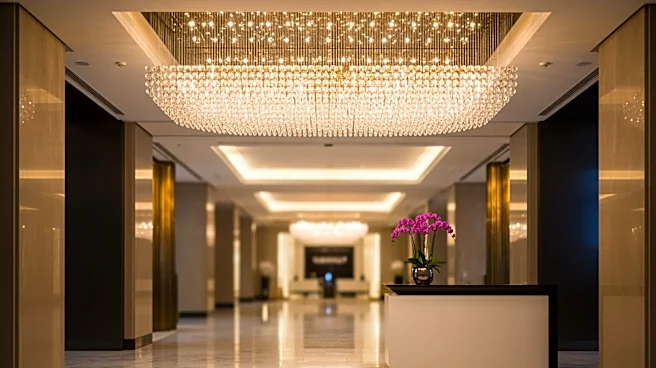
The hospitality industry is witnessing a significant shift from traditional luxury to experiential luxury. Traditional luxury, characterized by grand hotels with formal service and opulent designs, is giving way to a new model that emphasizes unique,
personalized experiences. This trend is driven by a growing demand for exclusive access to activities, wellness retreats, and immersive destinations. Brands like Aman, andBeyond, and Six Senses are leading this transformation by offering innovative experiences that cater to the evolving preferences of modern travelers. Despite these changes, the core principle of luxury—anticipating and meeting guest needs with exceptional care—remains unchanged. Properties like Fairmont Chateau Lake Louise are adapting by integrating experiential elements such as Nordic spa expansions while maintaining high service standards.
Why It's Important?
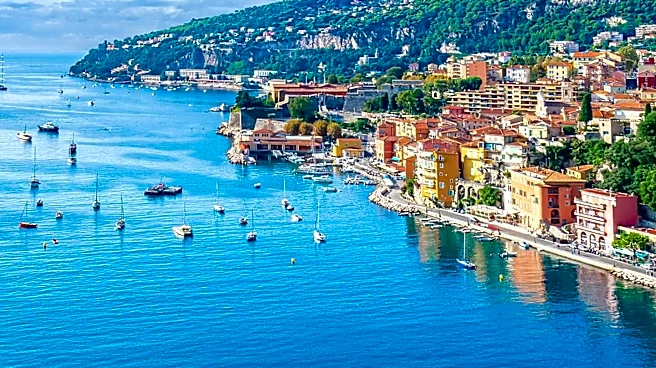
This shift towards experiential luxury reflects broader changes in consumer values, where experiences are increasingly valued over material possessions. The 'experience economy' is gaining traction, particularly among affluent travelers who prioritize wellness, cultural immersion, and meaningful moments. This trend has significant implications for the hospitality industry, as brands that successfully deliver memorable experiences are better positioned to attract and retain customers. The move towards experiential luxury also highlights the importance of innovation and adaptability in a competitive market. As traditional luxury becomes less of a differentiator, hotels must find new ways to stand out by offering unique and personalized experiences that resonate with their guests.
What's Next?
As the demand for experiential luxury grows, hospitality brands are likely to continue expanding their offerings to include more wellness-focused and culturally immersive experiences. This could involve further investments in technology and AI to enhance customer relationship management and personalize guest experiences. Additionally, the industry may see an increase in collaborations with local artisans and communities to create authentic and exclusive experiences. As competition intensifies, brands that can effectively balance innovation with the timeless principles of luxury service will likely emerge as leaders in this evolving landscape.
Beyond the Headlines
The shift towards experiential luxury also raises questions about sustainability and ethical tourism. As travelers seek more meaningful experiences, there is an opportunity for the hospitality industry to promote responsible tourism practices that benefit local communities and preserve cultural heritage. This could involve initiatives that support local economies, reduce environmental impact, and foster cultural exchange. By aligning with these values, hospitality brands can enhance their appeal to socially conscious travelers and contribute to a more sustainable future for the industry.