

What's Happening?
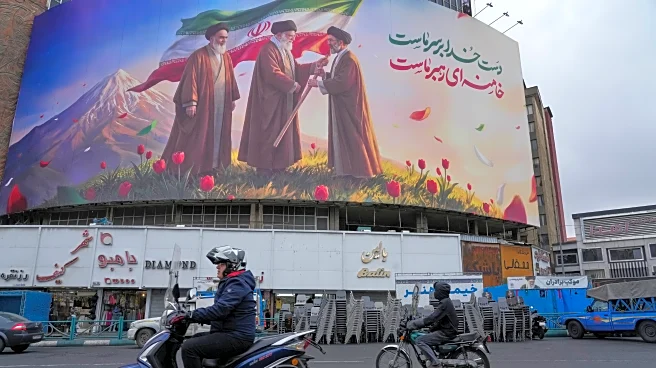
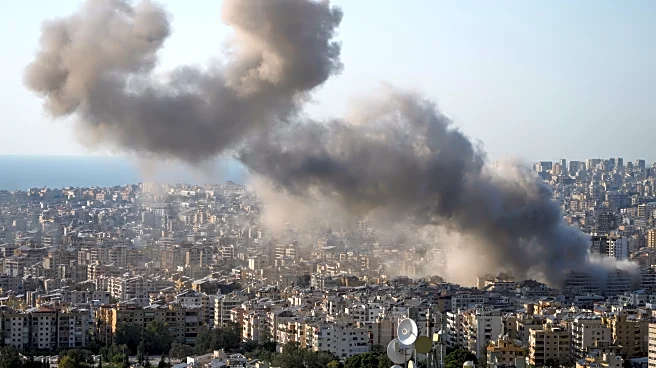
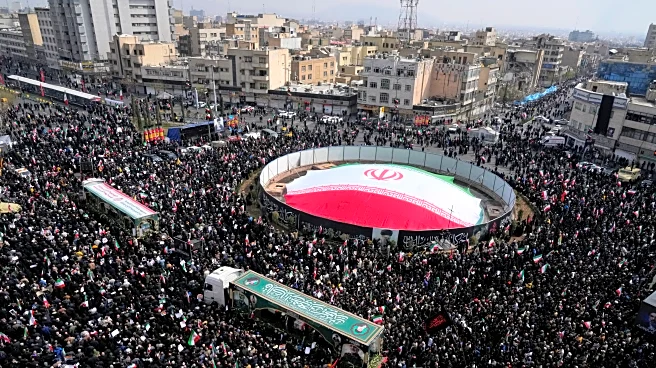
Formula 1 has decided to cancel the Bahrain and Saudi Arabian Grands Prix scheduled for April 2026 due to the ongoing conflict in the Middle East. The decision comes as both countries have been affected by retaliatory strikes from Iran following US-Israeli
air actions in the region. This cancellation will reduce the 2026 Formula 1 season to 22 races, as the events in Bahrain and Saudi Arabia were initially planned for April 10-12 and April 17-19, respectively. The cancellation leaves a five-week gap in the racing calendar between the Japanese Grand Prix at the end of March and the Miami Grand Prix in early May. While there were considerations to replace these races with events in Portugal or Italy, logistical challenges make it unlikely that replacements will be organized in time.
Why It's Important?
The cancellation of these races highlights the significant impact of geopolitical tensions on international sporting events. For Formula 1, this decision underscores the priority of safety for teams, drivers, and fans amid unstable conditions. Economically, the absence of these races could affect local economies in Bahrain and Saudi Arabia, which benefit from the influx of tourism and global attention during such events. Additionally, the reduced calendar may influence the competitive dynamics of the season, as teams and drivers will have fewer opportunities to score points. This situation also reflects the broader challenges faced by global sports organizations in navigating political and security issues.
What's Next?
With the cancellation of the Bahrain and Saudi Arabian Grands Prix, Formula 1 and the FIA will need to manage the logistical and scheduling implications of a shortened season. Teams will have to adjust their strategies to accommodate the five-week break in the racing calendar. Stakeholders, including sponsors and broadcasters, may seek adjustments to contracts and agreements due to the reduced number of races. The situation also calls for ongoing monitoring of geopolitical developments, as further conflicts could impact other scheduled events. The focus will remain on ensuring the safety and security of all involved in the sport.