






What's Happening?
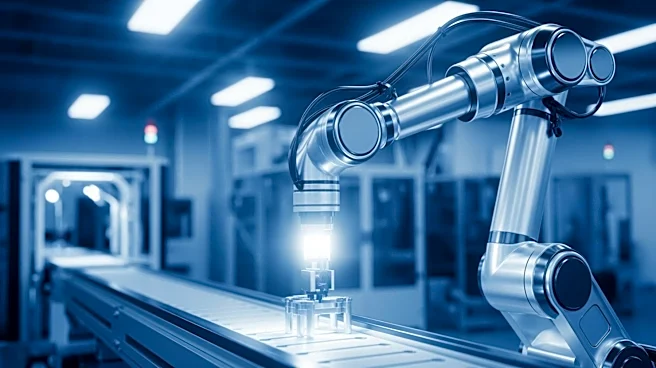
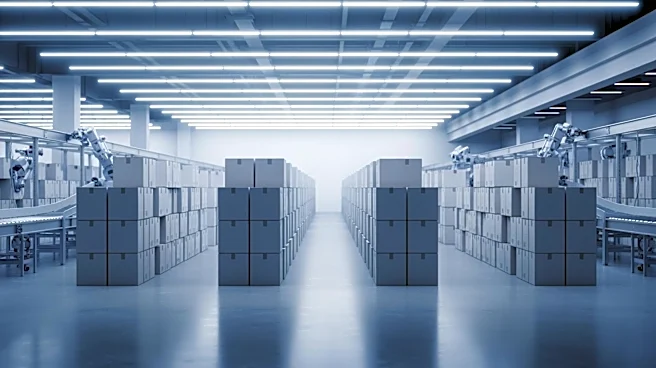
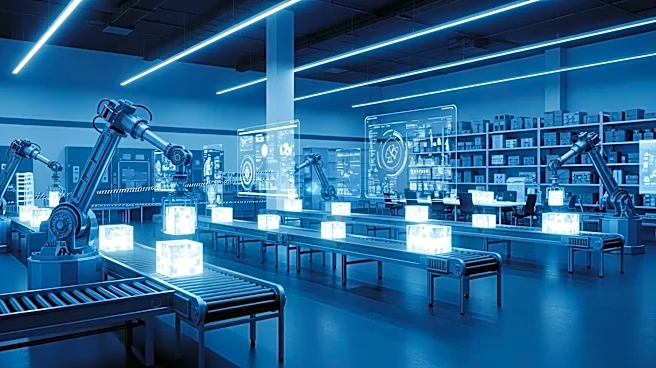
The warehousing industry is on the brink of a significant transformation driven by advancements in automation and artificial intelligence (AI). According to industry experts, the early 2030s will see the emergence of fully autonomous supply chains, although
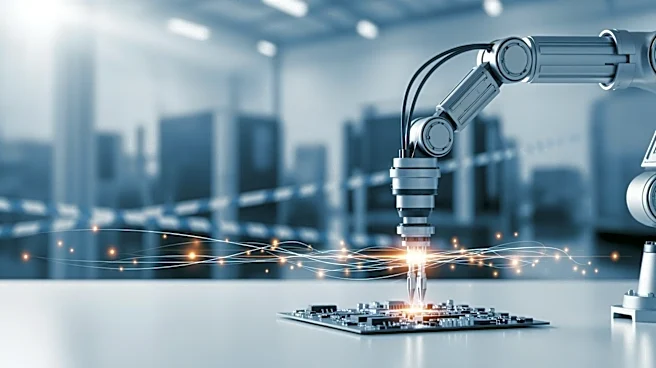
full autonomy is not the ultimate goal. Instead, the focus is on a comprehensive transformation where humans continue to play a crucial role in governance, complex decision-making, and system stewardship. Companies like Pudu Robotics are expanding their operations to introduce advanced robotics for logistics support and warehouse workflows. The industry is also facing a significant skills gap in AI, highlighting the need for accelerated workforce training to keep pace with these technological advancements.
Why It's Important?
The shift towards automation and AI in warehousing is expected to enhance efficiency and productivity, potentially reducing operational costs and increasing output. This transformation could significantly impact the logistics and warehousing sectors, leading to a reshaping of the workforce rather than its elimination. As more warehouses adopt autonomous mobile robots and AI-coordinated workflows, the demand for skilled workers who can manage and oversee these systems will increase. This evolution is crucial for maintaining competitiveness in the global market, as companies that fail to adapt may fall behind. The integration of AI in warehousing also promises to improve inventory management, putaway strategies, and dock scheduling, further optimizing supply chain operations.
What's Next?
In the coming years, the warehousing industry will likely see a gradual increase in the adoption of AI and automation technologies. Companies will need to invest in training programs to equip their workforce with the necessary skills to manage and operate these advanced systems. As the industry moves towards greater automation, there will be a need for regulatory frameworks to address potential ethical and legal issues related to AI deployment. Stakeholders, including businesses, policymakers, and educational institutions, will need to collaborate to ensure a smooth transition and address the challenges posed by this technological shift.
Beyond the Headlines
The move towards AI-driven warehousing raises important ethical and legal considerations, particularly concerning data privacy, security, and the potential for job displacement. As AI systems become more integrated into supply chain operations, questions about accountability and liability in the event of system failures or errors will need to be addressed. Additionally, the cultural shift towards automation may require changes in organizational structures and management practices to accommodate new technologies and workflows. Long-term, the successful integration of AI in warehousing could serve as a model for other industries looking to leverage technology for operational improvements.