





What's Happening?
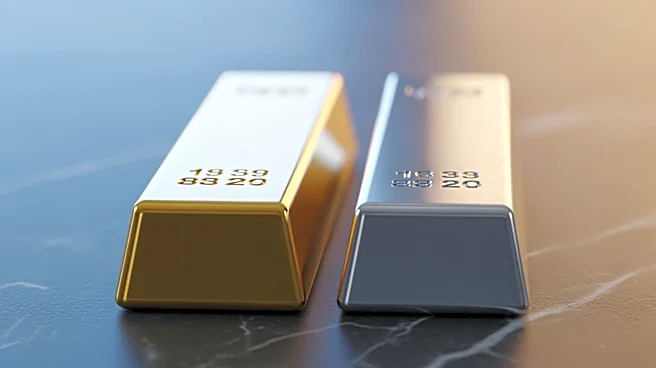
Gold prices have experienced a significant decline, driven by a combination of factors including a strong U.S. dollar, rising bond yields, and shifting expectations regarding the Federal Reserve's interest rate policies. According to recent reports, gold
prices fell more than 1% during a trading session on June 10, reaching their lowest level in approximately 11 weeks. The strengthening of the USD has made gold more expensive for investors using other currencies, thereby reducing demand. Additionally, positive U.S. economic data, particularly in the labor market, has led investors to believe that the Federal Reserve may maintain higher interest rates for a longer period, or even increase them if inflation persists. This scenario has increased the opportunity cost of holding gold, which does not yield interest, thus diminishing its appeal as an investment. Technical indicators, such as the breach of the 200-day moving average, have also contributed to the downward pressure on gold prices.
Why It's Important?
The decline in gold prices has significant implications for investors and the broader financial market. As gold is traditionally seen as a safe-haven asset, its decreasing value suggests a shift in investor sentiment towards riskier assets or those with higher yields. The strong U.S. dollar and potential for sustained high interest rates could lead to further volatility in the gold market. This situation affects not only individual investors but also financial institutions and central banks that hold gold as part of their reserves. The current market dynamics may prompt a reevaluation of investment strategies, particularly for those heavily invested in precious metals. Additionally, geopolitical tensions, which typically boost gold demand, are not currently providing the same level of support, indicating a complex interplay of factors influencing the market.
What's Next?
Looking ahead, the gold market is likely to remain volatile as investors react to upcoming U.S. inflation data and any new communications from the Federal Reserve. If inflationary pressures increase, the Fed may be compelled to adjust its monetary policy, which could further impact gold prices. Investors will need to closely monitor these developments and consider the potential risks of bottom-fishing in a market that has not yet stabilized. The long-term outlook for gold remains influenced by factors such as public debt levels, geopolitical instability, and central bank demand, but the short-term trend appears cautious.