



What's Happening?
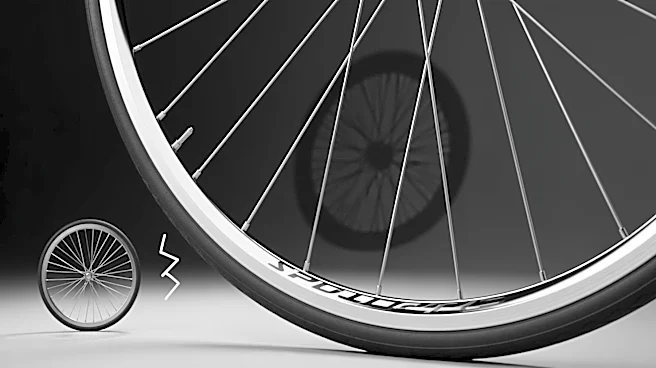
The cycling industry is currently promoting a new standard of 32-inch wheels, claiming they offer faster speeds and better rollover capabilities. This development has sparked significant debate within the cycling community, particularly among gravel riders.
The push for larger wheels is primarily driven by small frame builders, with major manufacturers expected to follow suit. However, many everyday riders are expressing dissatisfaction, arguing that these larger wheels compromise the fun and maneuverability of cycling. The trend towards bigger wheels is seen as a departure from the traditional spirit of gravel cycling, which was born out of a desire to ride road bikes on unpaved routes without the dangers of traffic. Despite the industry's claims of improved performance, many cyclists believe that the drawbacks, such as increased weight and reduced agility, outweigh the benefits.
Why It's Important?
The introduction of 32-inch wheels could significantly impact the cycling industry, particularly for gravel riders who prioritize stability and enjoyment over marginal speed gains. This shift may lead to changes in bike design, affecting everything from wheelbase length to gear ratios. For the average cyclist, these changes could result in a less enjoyable riding experience, as larger wheels may feel sluggish and harder to maneuver. The industry's push for this new standard highlights a potential disconnect between manufacturers and consumers, as many riders feel that their needs and preferences are being overlooked in favor of technological advancements that primarily benefit elite racers. This situation underscores the broader challenge of balancing innovation with user experience in the cycling market.
What's Next?
As the cycling industry continues to promote 32-inch wheels, it remains to be seen how consumers will respond. If the backlash from everyday riders persists, manufacturers may need to reconsider their approach and focus on developing products that align more closely with the needs of the majority of cyclists. Alternatively, the industry could double down on its current trajectory, potentially leading to a niche market for larger wheels among professional racers and enthusiasts. The outcome will likely depend on how well manufacturers can address the concerns of their customer base while still pushing the boundaries of cycling technology.
Beyond the Headlines
The debate over 32-inch wheels also raises questions about the future of cycling culture and the role of innovation in the sport. As manufacturers push for technological advancements, there is a risk of alienating traditionalists who value the simplicity and accessibility of cycling. This tension between progress and tradition is not unique to cycling and reflects broader societal debates about the pace and direction of technological change. The industry's response to this challenge could set a precedent for how other sports and recreational activities navigate similar issues in the future.