


What's Happening?
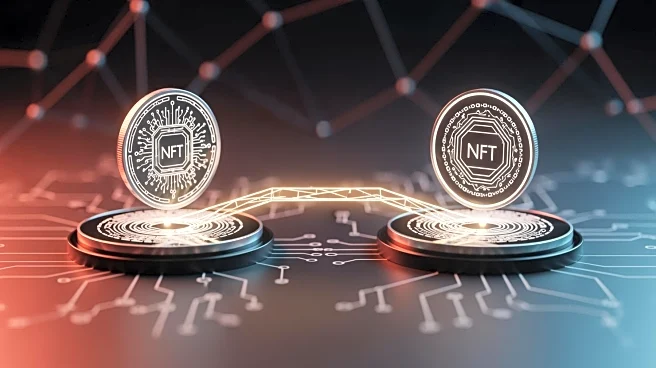
Crypto traders are currently navigating the complexities of cross-chain token swaps, which are often perceived as expensive and confusing. The process involves moving tokens across different blockchains, which can incur significant fees and slippage if not
managed properly. Key factors contributing to these costs include gas fees on both the source and destination chains, bridge fees, and slippage during the swap. To mitigate these expenses, traders are advised to use tools that aggregate routes and provide full cost transparency before confirming transactions. These tools can help identify the cheapest or fastest routes by comparing multiple bridges and decentralized exchanges (DEXs). Additionally, traders are encouraged to monitor slippage, especially with low-liquidity pairs, and consider the timing of transactions to avoid high gas fees during peak congestion times.
Why It's Important?
The ability to efficiently swap tokens across blockchains is crucial for crypto traders looking to diversify their portfolios and take advantage of different blockchain ecosystems. High fees and slippage can significantly impact the profitability of these trades, making it essential for traders to understand and manage these costs effectively. The development of tools that offer route aggregation and fee transparency can empower traders to make more informed decisions, potentially leading to increased participation in cross-chain activities. This, in turn, could drive further innovation and competition among blockchain platforms and service providers, ultimately benefiting the broader cryptocurrency market.
What's Next?
As the cryptocurrency market continues to evolve, traders can expect further advancements in cross-chain swap technologies and tools. These developments may include more sophisticated route aggregation algorithms, improved user interfaces for cost transparency, and enhanced security measures to protect against potential vulnerabilities. Additionally, as more traders become aware of the benefits of cross-chain swaps, there may be increased demand for educational resources and support to help them navigate this complex landscape. The ongoing refinement of these tools and processes will likely play a significant role in shaping the future of cryptocurrency trading.