




What's Happening?
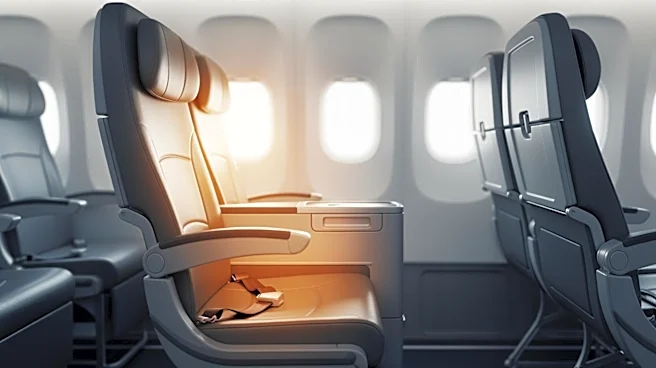
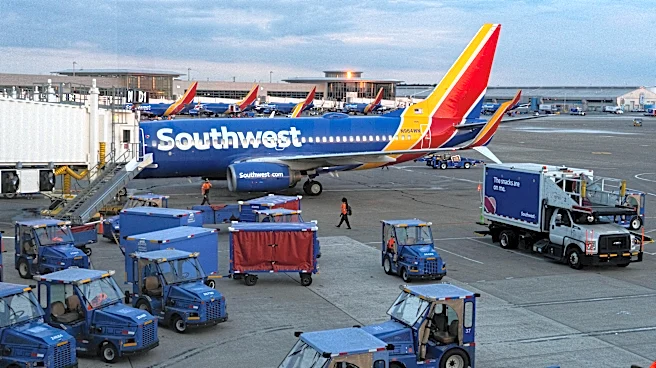
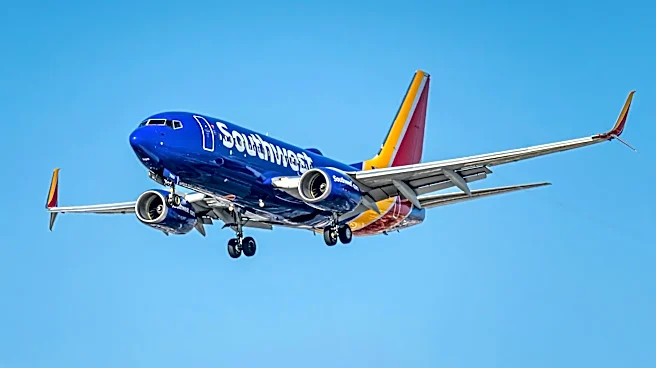
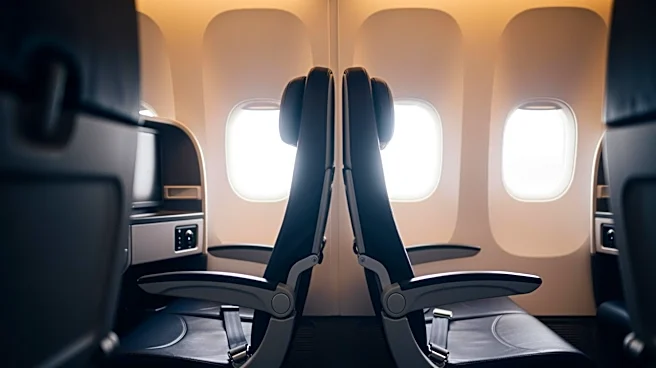
Southwest Airlines has revised its policy regarding overweight passengers, allowing them to receive a free second seat on flights where two adjoining seats are available. This change comes after criticism of the previous policy, which required passengers needing
extra space to purchase an additional ticket in advance. The updated policy aims to provide a more seamless experience for passengers who require additional seating. If two adjacent seats are not available, passengers may be rebooked on a later flight. The airline still encourages passengers to book an extra seat in advance to avoid potential inconveniences. Eligible passengers can request a refund for the extra seat within 90 days of travel, provided the flight departed with at least one open seat and both seats were booked in the same fare class.
Why It's Important?
The policy change by Southwest Airlines is significant as it addresses concerns raised by passengers and advocacy groups about the fairness and accessibility of air travel for plus-size individuals. By offering a free second seat when available, Southwest is attempting to balance customer satisfaction with operational efficiency. This move could enhance the airline's reputation and customer loyalty, especially among passengers who have felt marginalized by previous policies. The change also highlights the broader industry challenge of accommodating diverse passenger needs while maintaining safety and profitability. Other airlines may feel pressure to reevaluate their own policies in response to Southwest's decision.
What's Next?
As Southwest Airlines implements this revised policy, it will be important to monitor how effectively it is executed and whether it leads to increased customer satisfaction. The airline may need to address logistical challenges, such as ensuring adequate availability of adjacent seats and managing rebooking processes for affected passengers. Additionally, the response from other airlines could lead to further industry-wide changes in policies for plus-size passengers. Advocacy groups may continue to push for more inclusive travel policies, potentially influencing future regulatory or legislative actions.