







What's Happening?
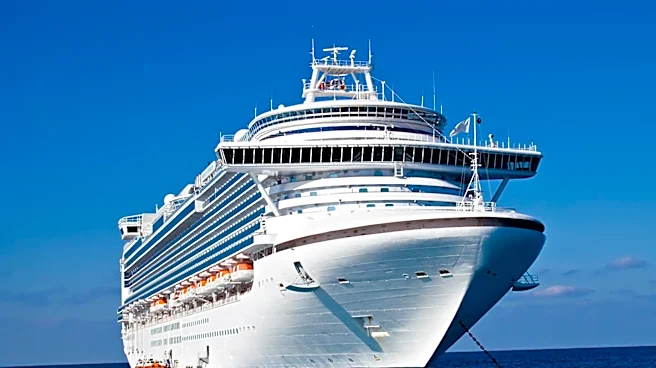
Cruise ships face a significant challenge in managing food waste due to the large volume of meals prepared daily for thousands of passengers. To address this, many modern cruise lines have adopted sophisticated systems to handle leftovers. These include
large-scale biodigestor systems that use bacteria to break down biodegradable food into a liquified form, which can then be safely discharged at sea in compliance with international maritime regulations. This method significantly reduces the environmental impact compared to traditional dumping methods. Additionally, foods that are harder to break down are processed in industrial dehydrators, which remove moisture and convert the waste into dry pellets. These pellets can be stored and transported more easily, and in some cases, are processed into biofuel to help power the vessel. Despite these advancements, the cruise industry has faced criticism for its environmental record, with some companies involved in pollution scandals. However, initiatives like Carnival Cruises' 'Less Left Over' campaign, which achieved a 44% reduction in food waste, indicate progress in sustainable practices.
Why It's Important?
The implementation of advanced food waste management systems on cruise ships is crucial for reducing the environmental footprint of the cruise industry. By adopting biodigestor and dehydrator technologies, cruise lines can minimize the amount of waste discharged into the ocean, thus protecting marine ecosystems. This shift towards sustainability is not only environmentally beneficial but also economically advantageous, as it helps cruise companies save on waste disposal costs and potentially generate energy through biofuel. Furthermore, the industry's move towards sustainability can enhance its public image, especially in light of past pollution scandals. The adoption of AI-powered systems to predict food consumption patterns also highlights the industry's commitment to reducing waste at the source, which can lead to significant resource savings. These efforts are essential for aligning the cruise industry with global environmental standards and addressing public concerns about its ecological impact.
What's Next?
As cruise lines continue to refine their waste management practices, further advancements in technology and policy are expected. The industry may see increased collaboration with environmental organizations to develop more effective waste reduction strategies. Additionally, regulatory bodies might impose stricter guidelines to ensure compliance with environmental standards. Cruise companies are likely to expand partnerships with local charities and food banks to donate surplus food, further reducing waste and supporting community initiatives. The success of these programs could encourage other sectors within the hospitality industry to adopt similar practices. Continuous monitoring and reporting on waste reduction efforts will be crucial for maintaining transparency and accountability. As consumer awareness of environmental issues grows, cruise lines may also face pressure to enhance their sustainability credentials, potentially influencing future business models and marketing strategies.
Beyond the Headlines
The cruise industry's efforts to manage food waste have broader implications for global sustainability practices. By setting an example in waste reduction, cruise lines can influence other sectors to adopt similar technologies and strategies. The integration of AI in predicting food consumption patterns represents a significant advancement in resource management, which could be applied across various industries to optimize supply chains and reduce waste. Additionally, the focus on converting waste into biofuel aligns with global efforts to transition to renewable energy sources, contributing to the reduction of carbon emissions. These developments highlight the potential for technological innovation to drive environmental change and underscore the importance of corporate responsibility in addressing ecological challenges. As the industry continues to evolve, it may play a pivotal role in shaping sustainable practices worldwide.