
What's Happening?
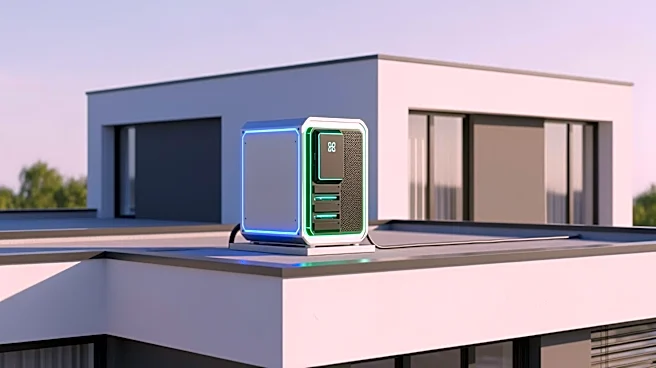
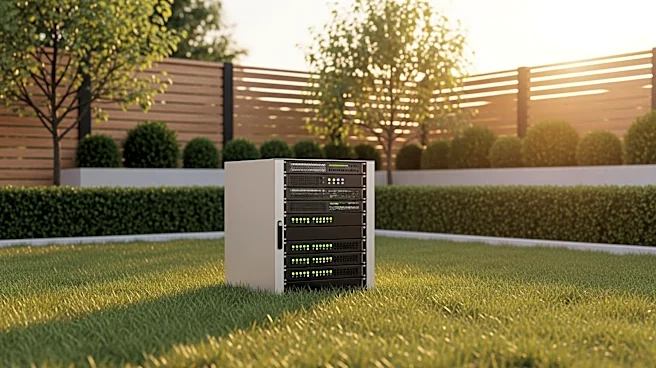
Span, a California-based startup, has partnered with AI chipmaker Nvidia to test the installation of mini data centers, known as XFRA nodes, in suburban backyards. These units are being tested in communities
under construction by major homebuilder PulteGroup. The concept involves using spare electrical capacity in neighborhoods to power these small data centers, which are designed to blend in with home exteriors. The XFRA nodes aim to provide the same computing power as traditional data centers but at a lower cost and with faster deployment. This approach could alleviate the need for large-scale data center developments in single communities.
Why It's Important?
The initiative by Span and Nvidia represents a significant shift in how data centers could be integrated into residential areas. By utilizing existing electrical infrastructure, this model could reduce the environmental and community impact of large data centers. It also offers a scalable solution to meet the growing demand for data processing power driven by AI and other technologies. For homeowners, this could mean potential reductions in utility costs if Span's model of covering electricity and internet bills is implemented. The collaboration with Nvidia also highlights the increasing role of AI in optimizing energy use and infrastructure.
What's Next?
Span plans to launch a 100-home proof of concept with PulteGroup and other partners within the year. If successful, this could lead to wider adoption of the XFRA model in new residential developments and potentially in retrofitting existing homes. The success of this initiative could influence future urban planning and energy distribution strategies, encouraging more sustainable and efficient use of resources. Stakeholders, including local governments and utility companies, may need to consider regulatory adjustments to accommodate this new infrastructure model.