







What's Happening?
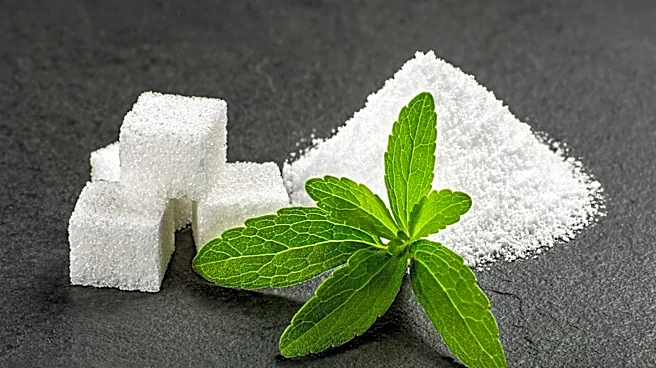
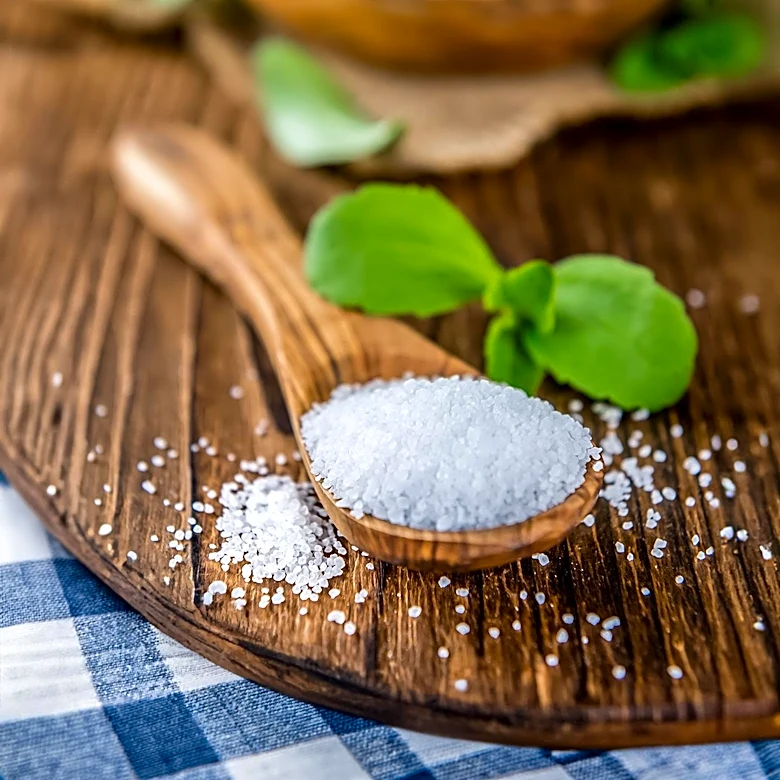
As Americans become more health-conscious, many are turning to stevia, a natural plant extract, as a sugar substitute. Stevia is significantly sweeter than regular sugar and some artificial sweeteners, allowing for reduced quantities in recipes and beverages.
It is also zero-calorie, making it an attractive option for those looking to decrease their sugar intake. Nutrition experts, including registered dietitian Jamie Nadeau, suggest that stevia can be a beneficial alternative for those monitoring their sugar consumption. However, consumers are advised to ensure they purchase 100% stevia products, as some may contain sugar alcohols like xylitol and erythritol, which can cause digestive issues and affect blood sugar levels in sensitive individuals.
Why It's Important?
The shift towards stevia reflects a broader trend of health-conscious eating, as high sugar diets are linked to obesity, Type 2 diabetes, and other health issues. By offering a sweetening option that does not contribute to these conditions, stevia supports public health goals of reducing sugar consumption. The U.S. Food and Drug Administration has recognized stevia as Generally Recognized as Safe (GRAS), indicating its safety for consumption. This development is significant for the food industry, which is increasingly catering to consumers seeking healthier alternatives. The adoption of stevia could influence market trends, encouraging more companies to develop and market products with reduced sugar content.
What's Next?
As the demand for healthier food options grows, it is likely that more food and beverage companies will incorporate stevia into their products. This could lead to increased competition in the sweetener market, potentially driving innovation in product formulations. Consumers may also see a wider variety of stevia-based products on store shelves, offering more choices for those looking to reduce sugar intake. Additionally, ongoing research into the health impacts of sugar substitutes may further inform consumer choices and regulatory policies.
Beyond the Headlines
The increasing popularity of stevia highlights a cultural shift towards natural and health-oriented food choices. This trend may also prompt discussions about the environmental impact of sugar production and the benefits of plant-based alternatives. As consumers become more informed about the ingredients in their food, there may be a greater demand for transparency and sustainability in food production practices. This could lead to broader changes in agricultural practices and food labeling standards.