



What's Happening?
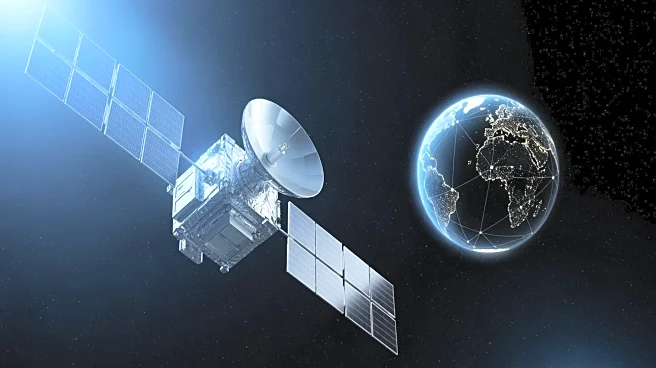
SpaceX successfully launched the first batch of Starlink satellites for 2026 using a new Falcon 9 rocket. The launch took place from Cape Canaveral Space Force Station in Florida, deploying 29 Starlink satellites into low Earth orbit. The Falcon 9's first stage booster made a successful return, landing on the drone ship 'Just Read the Instructions' in the Atlantic Ocean. This mission marks SpaceX's second launch of the year and contributes to the growing Starlink network, which now includes approximately 9,500 active satellites. The network aims to provide broadband internet access to remote areas worldwide, including recent expansions to Venezuela.
Why It's Important?
The successful deployment of Starlink satellites is crucial for expanding global internet connectivity,
particularly in underserved regions. SpaceX's continued advancements in satellite technology and reusable rocket systems demonstrate significant progress in reducing the cost of space access. This launch also highlights SpaceX's role in the commercial space industry, potentially influencing future satellite deployment strategies and internet service providers. The expansion of the Starlink network could disrupt traditional telecommunications by offering competitive broadband services globally.
What's Next?
SpaceX plans to continue its aggressive launch schedule, further expanding the Starlink constellation. The company aims to enhance satellite capabilities and coverage, potentially introducing new services and features. As the network grows, regulatory and competitive challenges may arise, particularly concerning spectrum allocation and market competition. SpaceX's ongoing innovations in rocket reusability and satellite technology will likely influence future space missions and commercial space ventures.