
What's Happening?
In Malaysia, a growing number of individuals are turning to home farming as a means to achieve self-sufficiency and promote a healthier lifestyle. This trend is particularly evident among retirees who
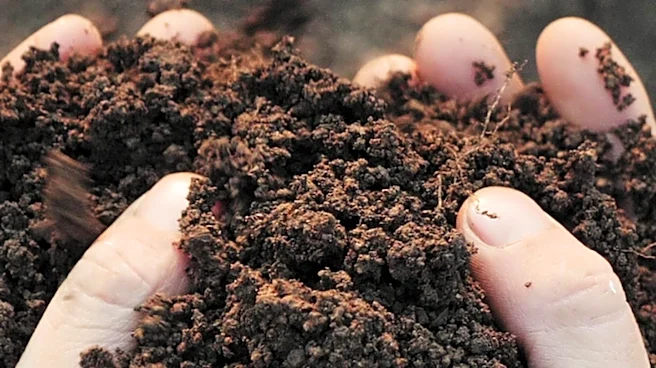
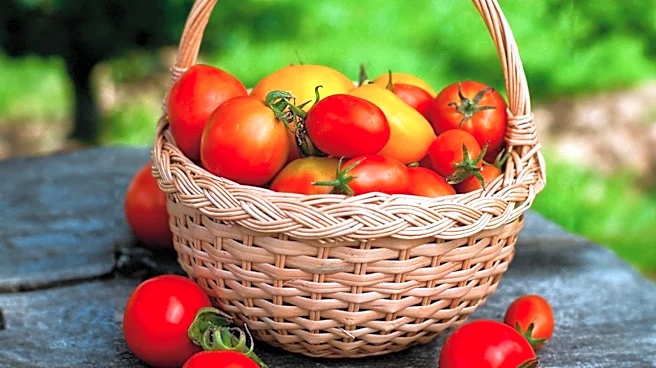
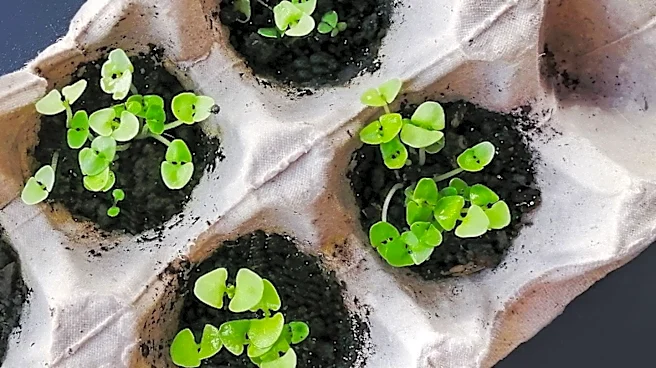
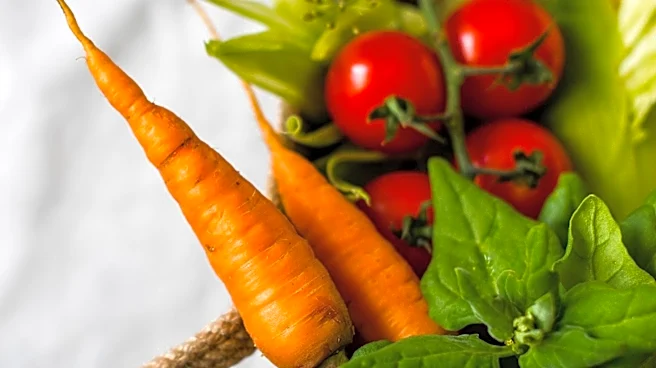
have embraced gardening as a fulfilling daily routine. The practice involves growing vegetables and herbs in small spaces such as balconies, rooftops, and small yards. Experts suggest starting with easy-to-grow crops like leafy vegetables and using recycled materials for planting. The initiative not only helps reduce grocery bills but also provides access to fresh, pesticide-free produce. Despite challenges such as unpredictable weather and pest control, home farming is accessible to anyone willing to start small and remain consistent.
Why It's Important?
The rise of home farming in Malaysia highlights a shift towards self-reliance and sustainable living. This movement can significantly impact household economies by reducing dependency on market-bought produce and mitigating the effects of price fluctuations. Additionally, it fosters a healthier lifestyle by ensuring access to fresh and organic food. The practice also contributes to environmental sustainability by promoting the use of recycled materials and organic waste as compost. As more individuals adopt home farming, there is potential for a broader cultural shift towards valuing self-sufficiency and environmental consciousness.
What's Next?
As home farming continues to gain traction, it is likely that more educational resources and community support networks will emerge to assist beginners. This could include workshops, online tutorials, and community gardening groups. Additionally, there may be increased interest from local governments and organizations to support urban agriculture initiatives, potentially leading to policy changes that encourage sustainable practices. The success of home farming in Malaysia could also inspire similar movements in other countries, particularly in urban areas where space is limited.
Beyond the Headlines
Home farming not only addresses economic and health concerns but also has deeper implications for community building and mental well-being. Engaging in gardening can provide a sense of purpose and accomplishment, particularly for retirees and individuals seeking a connection to nature. It also offers opportunities for community interaction and knowledge sharing, as individuals exchange tips and surplus produce. Furthermore, the practice encourages mindfulness and patience, qualities that are beneficial for mental health. As such, home farming represents a holistic approach to improving quality of life.