



What's Happening?
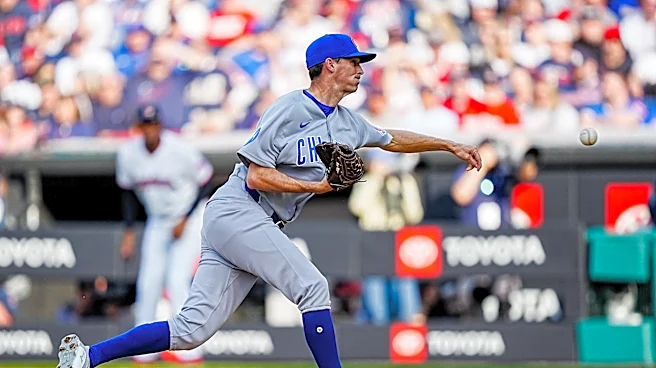
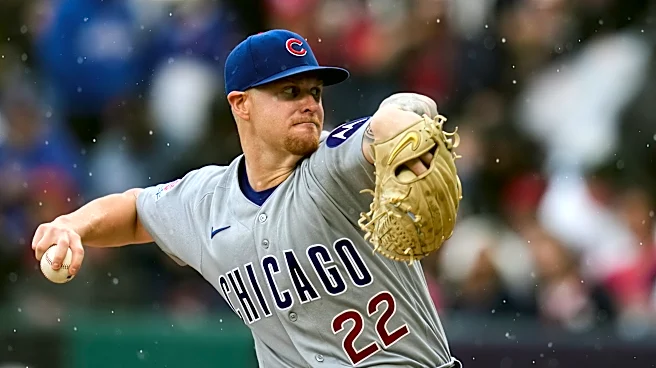
The Chicago Cubs have announced that left-handed pitcher Matthew Boyd will be placed on the 15-day injured list due to a left bicep strain, effective retroactively from April 3rd. Boyd's injury comes after he pitched in the first two games of the season,
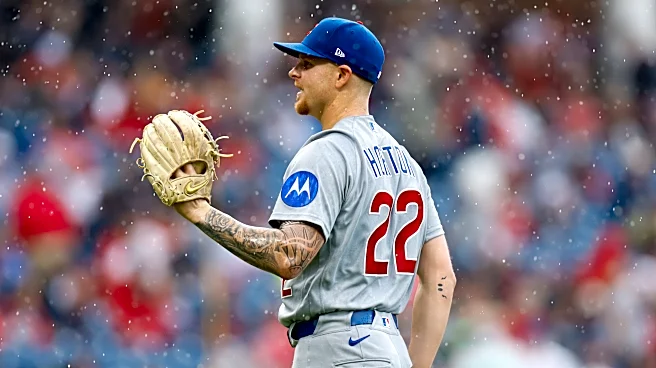
with mixed results. In his first outing, Boyd allowed six earned runs over 3 2/3 innings, but he improved in his second game against the Angels, striking out ten batters and allowing only two earned runs over 5 2/3 innings. Despite the improvement, Boyd's fastball velocity dropped from 93.3 mph in his first game to 92.2 mph in the second. Cubs manager Craig Counsell and Boyd believe the injury is minor and expect a short stint on the injured list. This development adds to the Cubs' rotation challenges, as they are already dealing with injuries to other pitchers, including Justin Steele and Cade Horton.
Why It's Important?
Boyd's injury is significant for the Cubs as it further strains their pitching rotation, which is already dealing with multiple injuries. Justin Steele is recovering from surgery and is not expected back until late May, while Cade Horton is dealing with forearm discomfort. The Cubs will rely on pitchers like Edward Cabrera, Jameson Taillon, and Shota Imanaga to fill the gaps, with Javier Assad being recalled from the minors to start in Boyd's place. Colin Rea, who started the season in the bullpen, is likely to join the rotation as well. The Cubs' ability to manage these injuries and maintain a competitive rotation will be crucial for their performance in the early part of the season.
What's Next?
The Cubs will need to navigate the next few weeks with a depleted rotation, relying on Assad and Rea as temporary solutions. The team may consider other options, such as Ben Brown from the bullpen or prospect Jaxon Wiggins from Triple-A, although Wiggins is not on the 40-man roster and has control issues. Vince Velasquez, who recently pitched in Triple-A, could also be considered for a spot start. The Cubs will need to assess their pitching depth and make strategic decisions to ensure they remain competitive while dealing with these injuries.