






What's Happening?
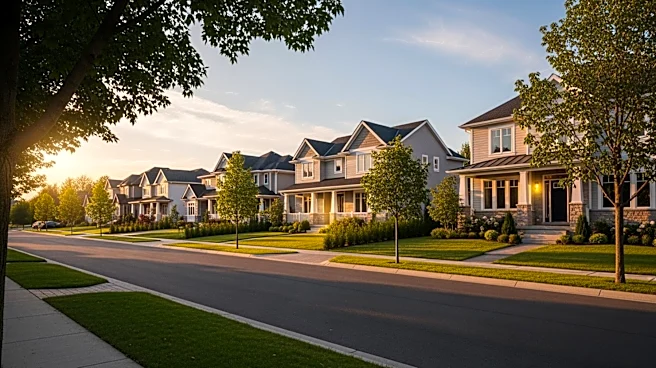
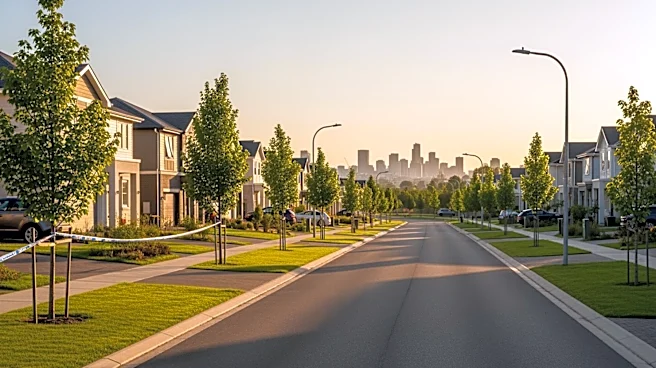
Rolando and Clarissa Requeny initially believed that purchasing a new construction home was beyond their financial reach due to perceived higher costs. However, after a failed attempt to buy a resale home, they discovered Tucker’s Cove at Babcock Ranch,
a sustainable community in Southwest Florida. The couple found that new construction homes offered significant financial incentives, such as rate buydowns and closing cost assistance, which made them more affordable than expected. The median list price for newly built homes has decreased, and the price premium compared to existing homes is at its lowest since 2020. Builders are offering incentives like rate buydowns and closing cost assistance, making new construction homes a competitive option in the current market.
Why It's Important?
The shift towards new construction homes being more financially viable is significant for potential homebuyers, especially first-time buyers who may lack existing equity. The incentives offered by builders can reduce both upfront and monthly costs, making homeownership more accessible. Additionally, new construction homes often come with modern, energy-efficient features that can lead to long-term savings on utility bills and insurance premiums. This trend could influence the housing market by increasing demand for new construction homes, potentially impacting the resale market and encouraging more sustainable building practices.
What's Next?
As the housing market continues to evolve, potential buyers may increasingly consider new construction homes as a viable option. Builders may continue to offer competitive incentives to attract buyers, potentially leading to more developments like Babcock Ranch. The trend towards sustainable and energy-efficient homes could also grow, as buyers seek long-term savings and environmental benefits. This shift may prompt changes in the real estate industry, with more emphasis on new construction and sustainable living communities.
Beyond the Headlines
The move towards new construction homes highlights broader cultural and economic shifts. As buyers prioritize sustainability and community, developments like Babcock Ranch offer a model for future housing projects. The focus on energy efficiency and storm resilience reflects growing awareness of climate change and its impact on housing. Additionally, the sense of community fostered in such developments may address social isolation, offering residents a supportive environment. These factors could influence future urban planning and real estate trends, emphasizing the importance of sustainable and community-oriented living spaces.