




What's Happening?
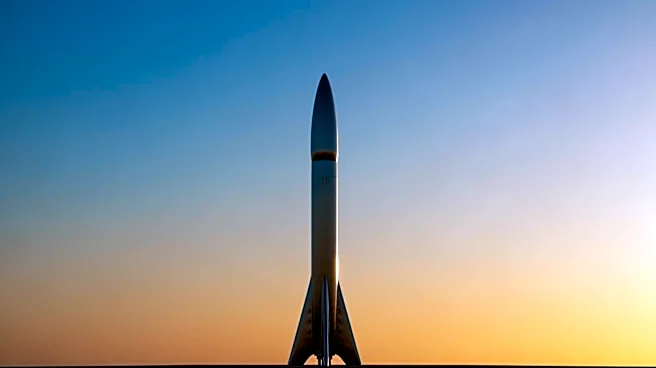
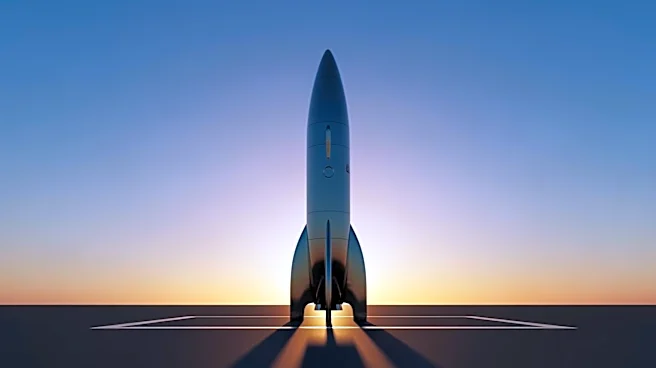
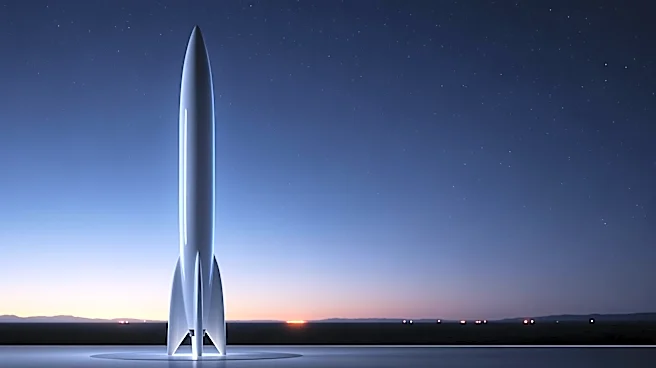
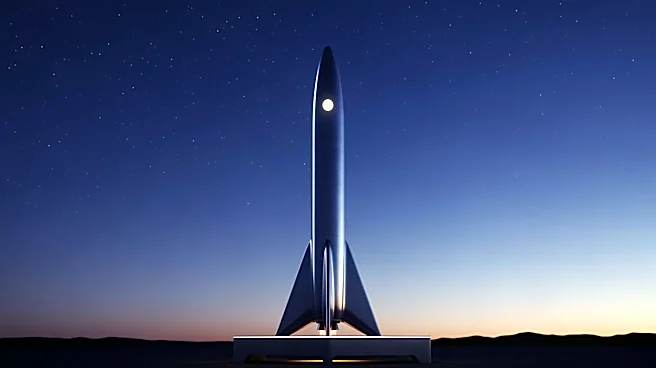
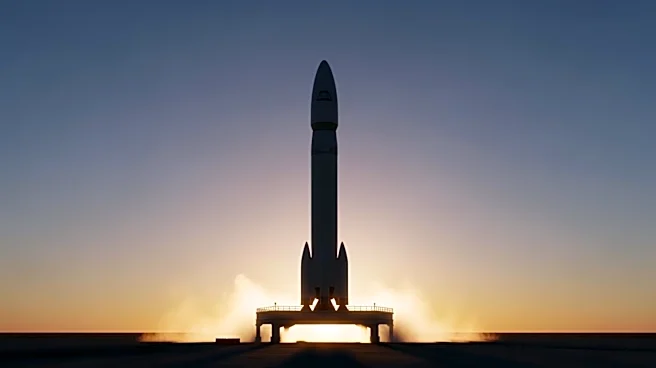
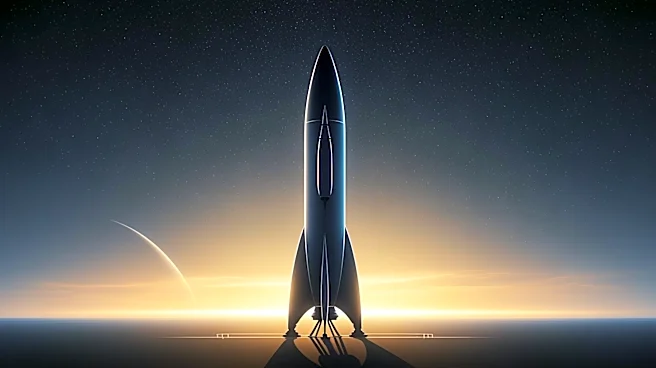
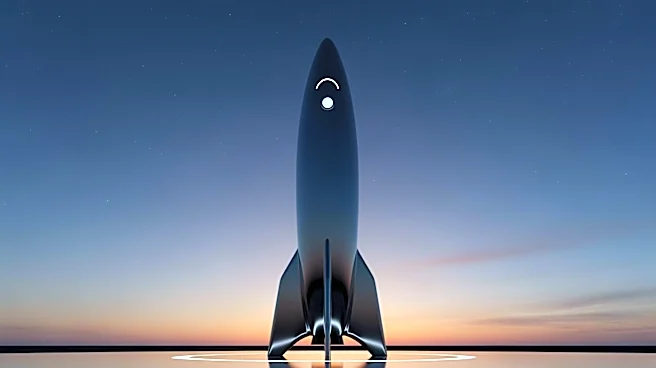
SpaceX has officially announced the launch window for its Starship V3, targeting late 2026 for the first launch. This new version of the spacecraft is designed to carry larger payloads, travel further into deep space, and support missions to both the Moon
and Mars. Starship V3 features improved Raptor engines, larger fuel capacity, better heat shield systems, and optimized orbital refueling technologies. The spacecraft is capable of transporting more than 200 tons into orbit, making it one of the most ambitious vehicles in aerospace history. Despite previous setbacks, including explosions and environmental criticisms, SpaceX continues to advance its technology faster than traditional aerospace competitors. NASA plans to use modified versions of Starship for future Artemis lunar missions, including potential crew landings near the Moon’s south pole.
Why It's Important?
The development of Starship V3 is crucial for SpaceX's long-term vision of establishing a permanent human presence beyond Earth. The spacecraft's ability to carry large payloads and support deep space missions could revolutionize space exploration and transportation. This advancement aligns with NASA's Artemis program, which aims to return humans to the Moon and eventually send them to Mars. The success of Starship V3 could significantly impact the aerospace industry by setting new standards for spacecraft capabilities and mission objectives. It also represents a step towards making human life multi-planetary, a goal that has been a central part of SpaceX's mission.
What's Next?
SpaceX plans several orbital test flights before the official launch of Starship V3 in late 2026. These tests will likely focus on validating the new technologies and systems integrated into the spacecraft. As the launch date approaches, SpaceX will continue to refine its designs and address any technical challenges that arise. The aerospace community and space enthusiasts worldwide will be closely monitoring these developments. NASA's involvement suggests potential collaborations for future lunar missions, which could further accelerate the timeline for human exploration of the Moon and Mars.