





What's Happening?
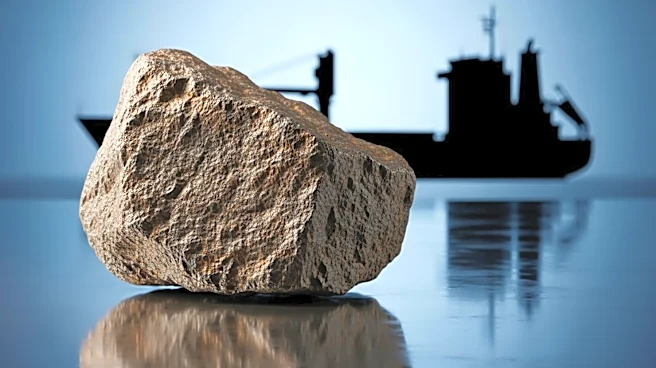
Iron-ore futures prices have fallen due to a surge in shipments from major suppliers and a ceasefire agreement between the US and Iran. The most-traded iron-ore contract on China's Dalian Commodity Exchange decreased by 1.12%, while the Singapore Exchange saw
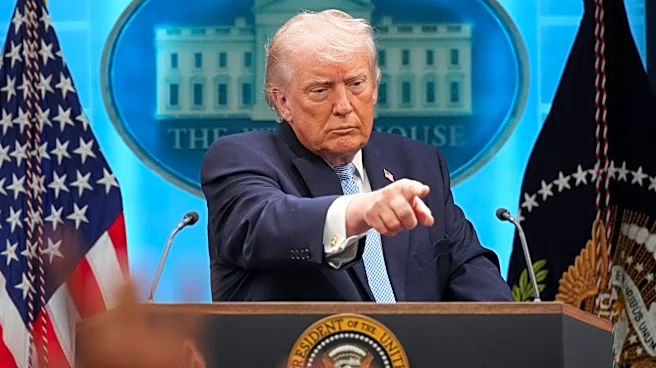
a 0.87% drop. Shipments from Australia and Brazil increased by 30.5% as weather-related disruptions subsided. President Trump's agreement to a two-week ceasefire with Iran, announced on social media, also influenced market dynamics, easing supply jitters and inflation fears. Other steelmaking ingredients showed mixed results, with coking coal prices rising slightly.
Why It's Important?
The decline in iron-ore prices reflects the complex interplay of global supply dynamics and geopolitical developments. Increased shipments from major producers like Australia and Brazil indicate a recovery from previous disruptions, impacting global supply chains and pricing. The ceasefire agreement between the US and Iran temporarily eases geopolitical tensions, affecting commodity markets and investor sentiment. For the steel industry, these developments could lead to more stable input costs, influencing production and pricing strategies. The situation highlights the sensitivity of commodity markets to geopolitical events and the importance of strategic planning in managing supply chain risks.