






What's Happening?
Phillips 66 CEO Mark Lashier has expressed concerns that the recent ceasefire in the Middle East will not immediately resolve the disruptions in the global oil supply chain. Speaking at the Semafor World Economy Summit, Lashier highlighted the complexities
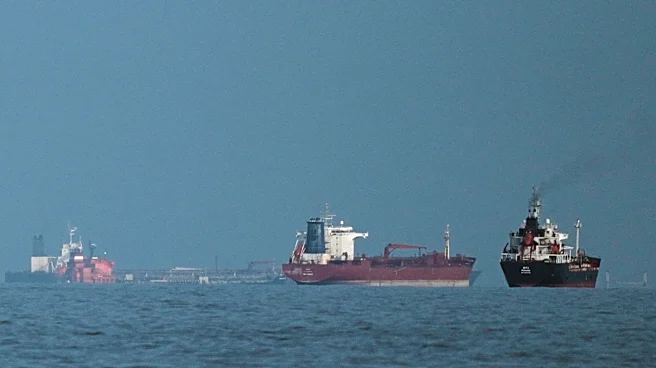
involved in restoring the oil markets to their pre-conflict state. The recent drop in crude oil prices, which fell about 7% to $92 per barrel, still leaves prices significantly higher than the $70 to $80 range seen before the conflict. Lashier emphasized that the geopolitical tensions have caused a 'tail effect' that will continue to impact the markets for months or even years. The disruption is particularly severe because approximately 20% of the world's crude oil and liquid natural gas pass through the Strait of Hormuz, a critical chokepoint. The conflict has forced Asian buyers to seek alternative sources, leading to a costly and inefficient global reshuffling of oil supplies.
Why It's Important?
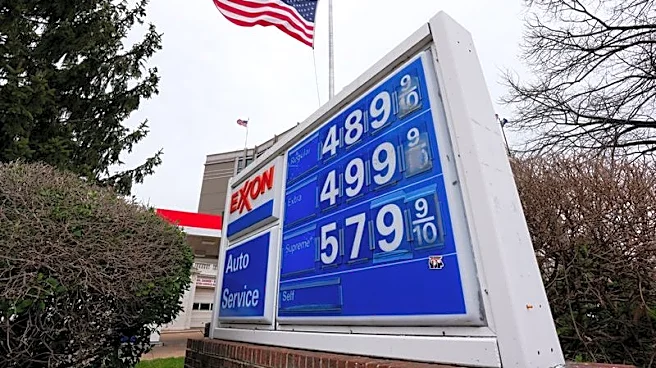
The ongoing disruptions in the oil supply chain have significant implications for global energy markets and the U.S. economy. Phillips 66, a major player in the oil refining industry, stands to benefit from the current situation as global demand for gasoline and diesel outpaces supply. This imbalance could lead to increased profit margins for the company. However, the broader economic impact includes potential increases in fuel prices, which could affect consumers and industries reliant on transportation. The situation underscores the vulnerability of global supply chains to geopolitical events and highlights the need for diversified energy sources and infrastructure resilience.
What's Next?
Phillips 66 is taking strategic steps to capitalize on the current market conditions. The company is merging operations of its three Midwest refineries into a single 'supersystem' to optimize processing of cheaper Canadian crude oil. Additionally, Phillips 66 is advancing the Western Gateway Pipeline project to supply fuel to California, Nevada, and Arizona, regions with challenging infrastructure development environments. These moves could position Phillips 66 as a dominant supplier in these markets, potentially leading to a near-monopoly. The company's strategy reflects a broader industry trend towards securing stable and cost-effective supply chains amid geopolitical uncertainties.