
What's Happening?
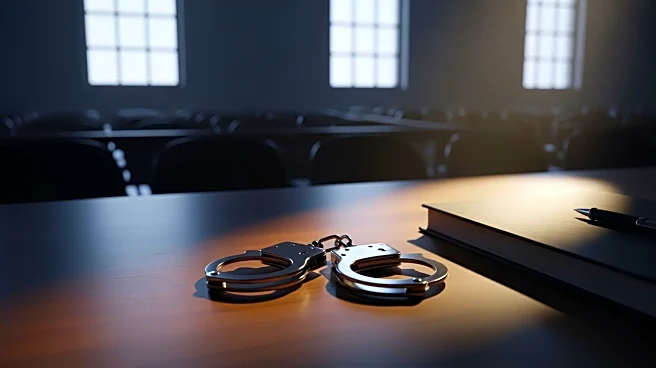
The trial of rapper Lil Durk, charged with federal murder-for-hire, has been postponed from April to August. Durk, whose real name is Durk Banks, faces allegations of orchestrating a plot to kill rival rapper Quando Rondo, resulting in a 2022 Los Angeles
shooting that left another man dead. Despite his objections, the trial has been delayed multiple times. Judge Michael Fitzgerald ordered the latest continuance to allow more preparation time for Durk's co-defendants, whose request to be severed from his trial was denied. Prosecutors allege that Durk's group, Only the Family (OTF), functioned as a criminal gang under his direction. The court has allowed the use of Durk's song lyrics as evidence, a controversial practice criticized for potential racial bias.
Why It's Important?
The repeated delays in Lil Durk's trial highlight the complexities of high-profile legal cases involving celebrities. The use of rap lyrics as evidence raises significant legal and cultural questions, particularly regarding free speech and racial bias. The outcome of this trial could set precedents for how artistic expressions are interpreted in legal contexts. The case also underscores the ongoing scrutiny of the intersection between the music industry and alleged criminal activities, potentially impacting the careers and public perceptions of those involved.
What's Next?
The trial is now set for August 20, with both sides preparing for the proceedings. The decision to use song lyrics as evidence may face further legal challenges, potentially influencing future cases. The trial's outcome could have significant implications for Lil Durk's career and the broader music industry, particularly regarding the legal treatment of artistic content.
Beyond the Headlines
The case brings attention to the broader issue of how the legal system handles artistic expressions, particularly in genres like rap that often depict violence and crime. Critics argue that using lyrics as evidence can perpetuate racial stereotypes and infringe on artistic freedom. The trial may prompt further debate and potential legislative changes regarding the admissibility of such evidence in court.