







What's Happening?
Extreme weather conditions, such as excessive heat, cold, or precipitation, can significantly impact pets, particularly dogs that require regular outdoor activities. Animal experts have provided guidance on how to manage pets' needs when the weather is
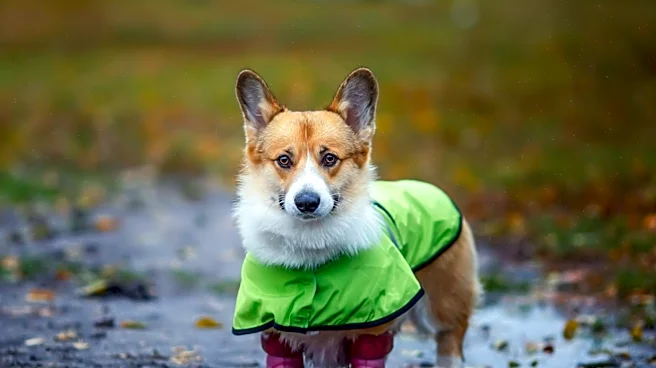
too severe for outdoor activities. Miriam Fink, a medical director at Bond Vet, advises pet owners to be cautious when temperatures exceed 70 degrees, as hot pavement can harm dogs' paws. For cold weather, precautions include using booties to protect against frostbite and irritation from road salt. Indoor activities, such as food puzzles and training sessions, are recommended to keep dogs mentally stimulated when outdoor play is not feasible.
Why It's Important?
The advice from pet experts is crucial for ensuring the well-being of pets during extreme weather conditions, which are becoming more frequent due to climate change. Proper care and mental stimulation can prevent health issues and behavioral problems in pets, reducing the likelihood of emergency veterinary visits. This guidance helps pet owners maintain their pets' health and happiness, which is essential for the overall quality of life for both pets and their owners. Additionally, understanding how to manage pets' needs indoors can prevent damage to homes and reduce stress for pet owners.
What's Next?
Pet owners are encouraged to prepare for future extreme weather events by training their pets to use indoor bathroom solutions, such as puppy pads or fake grass pads. This preparation can alleviate stress during unexpected weather changes. Additionally, pet owners should consider investing in interactive toys and puzzles to keep their pets engaged indoors. As climate patterns continue to shift, ongoing education and adaptation will be necessary to ensure pets' safety and well-being.
Beyond the Headlines
The increasing frequency of extreme weather events highlights the need for broader discussions on pet care in the context of climate change. Pet owners may need to adjust their routines and living environments to accommodate these changes, which could include investing in climate-controlled spaces or altering daily schedules. This situation also underscores the importance of community support and resources for pet owners, such as local pet care workshops and online forums for sharing tips and experiences.