


What's Happening?
Mark Cuban, a prominent entrepreneur, has expressed skepticism about the future of humanoid robots, suggesting they may have a short lifespan of five to ten years before failing. He argues that instead of creating robots that mimic human forms, it would
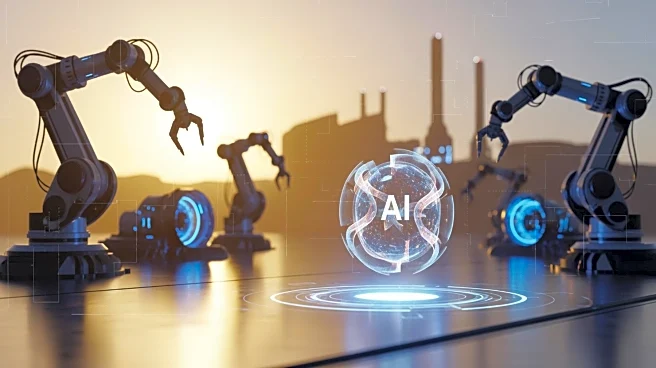
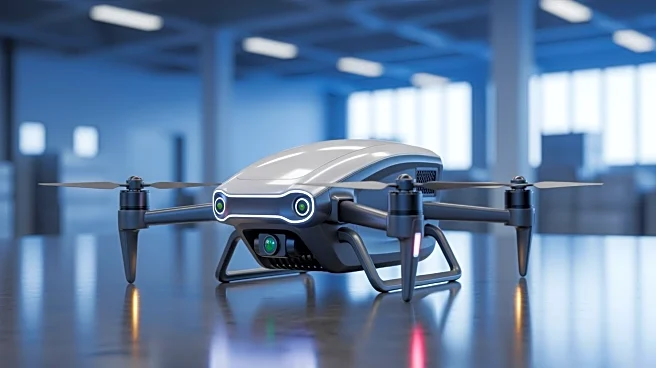
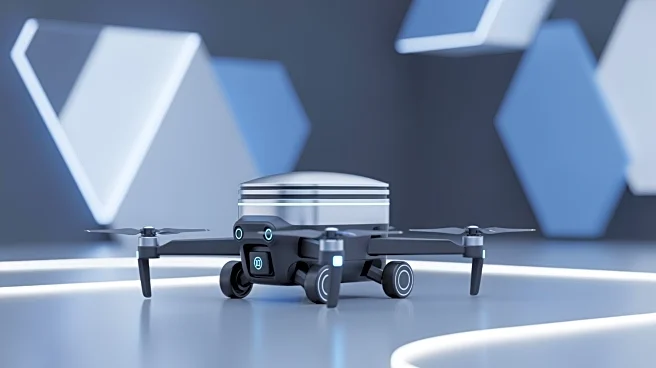
be more beneficial to co-design robots and living spaces to optimize functionality. Cuban envisions robots that do not necessarily resemble humans but are designed to perform specific tasks efficiently. He cites examples like Amazon's warehouse robots, which are not humanoid but are highly effective in sorting and carrying packages. Despite Cuban's views, companies like Tesla and OpenAI continue to invest in humanoid robotics, with the belief that these robots could fill roles in manufacturing and other industries.
Why It's Important?
Cuban's perspective challenges the current trend in robotics, where significant investments are being made in developing humanoid robots. His argument for co-designed spaces and task-specific robots could influence future design and development strategies in the robotics industry. If his predictions hold true, companies may need to pivot their focus from humanoid designs to more functional and efficient robotic solutions. This shift could impact industries reliant on automation, potentially leading to more innovative and cost-effective robotic applications. The debate also highlights the broader implications of robotics in society, including how humans interact with machines and the potential for robots to reshape living and working environments.