
What's Happening?
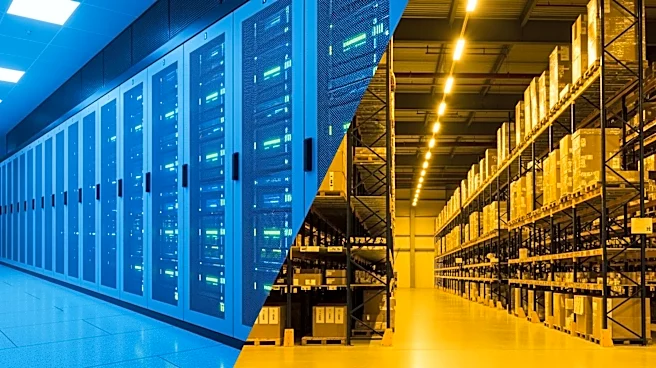
Recent polls reveal a growing public preference for Amazon warehouses over data centers in local communities. A Harvard/MIT poll found that 40% of respondents support building a data center in their area,
while 32% oppose it. Concerns about potential increases in electricity prices and limited job creation contribute to the opposition. Another survey by Quinnipiac University shows 65% of Americans oppose building an AI data center in their community. The debate over data centers is intensifying, with many residents worried about the environmental and economic impacts of such facilities.
Why It's Important?
The public's preference for Amazon warehouses over data centers reflects broader concerns about the impact of technology infrastructure on local communities. Data centers, while essential for supporting digital services, often require significant energy resources and offer limited employment opportunities once operational. This has led to increased scrutiny and opposition from residents who fear higher utility costs and minimal economic benefits. The growing discontent could influence local and national policies regarding the approval and regulation of data center projects, highlighting the need for balanced development that considers community interests.
What's Next?
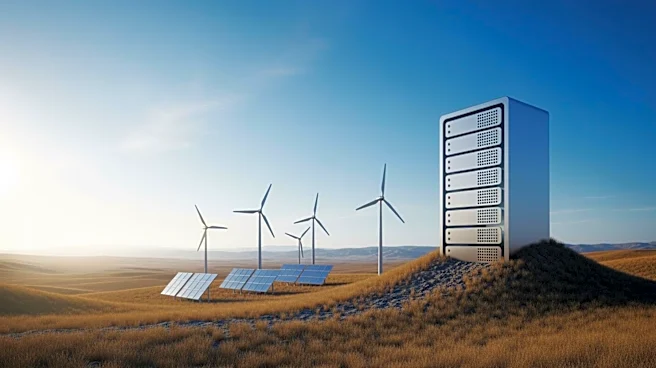
As public opposition to data centers grows, policymakers and industry leaders may need to address community concerns more effectively. This could involve implementing measures to mitigate environmental impacts, such as investing in renewable energy sources and improving energy efficiency. Engaging with local communities to understand their needs and priorities will be crucial in gaining support for future projects. The ongoing debate may also prompt a reevaluation of the role of data centers in the digital economy and their integration into urban planning strategies.