






What's Happening?
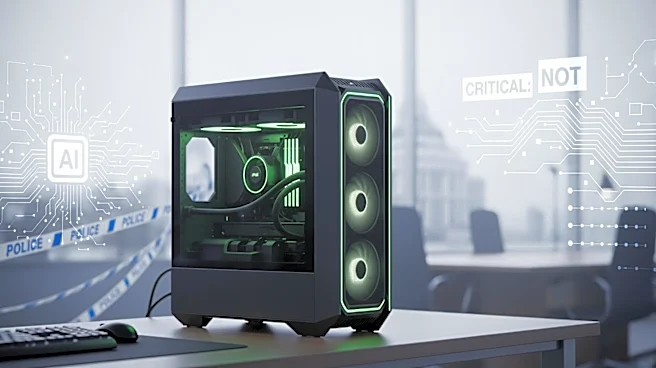
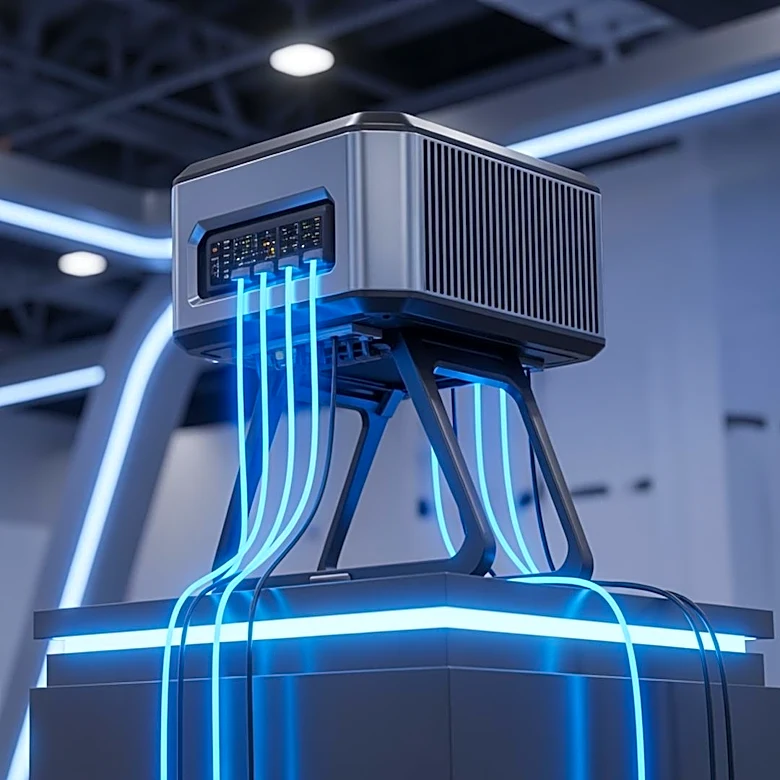
NVIDIA has announced the launch of its DGX Station for Windows, a powerful deskside AI supercomputer designed to integrate AI capabilities directly into Windows applications and workflows. This new system is built on the NVIDIA GB300 Grace Blackwell Ultra
Desktop Superchip and is capable of running AI models with up to 1 trillion parameters locally. Historically, enterprise AI workloads have required Linux-based systems in data centers, but the DGX Station for Windows bridges this gap by bringing high-performance AI infrastructure into the Windows ecosystem. This development allows enterprise developers, researchers, engineers, designers, and data scientists to build and deploy AI across their business applications. The collaboration between NVIDIA and Microsoft aims to scale AI performance on Windows, enhancing productivity and creativity for millions of users.
Why It's Important?
The introduction of the DGX Station for Windows marks a significant advancement in AI accessibility for enterprises that rely on Windows for their daily operations. By enabling AI supercomputing capabilities directly on Windows, NVIDIA is facilitating the integration of AI into existing workflows, potentially transforming how businesses operate. This could lead to increased efficiency and innovation across various industries, as AI agents can automate repetitive tasks and enhance productivity. The partnership between NVIDIA and Microsoft underscores the importance of AI in the future of enterprise computing, providing a secure and manageable platform for deploying AI agents. This development is likely to accelerate the adoption of AI technologies in sectors such as design, engineering, and data science.
What's Next?
The DGX Station for Windows is expected to be available from major manufacturers like ASUS, Dell Technologies, GIGABYTE, HP, MSI, and Supermicro by Q4 this year. As enterprises begin to adopt this technology, there may be increased demand for AI-driven solutions and applications tailored to specific industry needs. Companies might explore new ways to leverage AI for competitive advantage, leading to further innovations in AI applications. Additionally, the collaboration between NVIDIA and Microsoft could pave the way for future developments in AI infrastructure, potentially expanding the capabilities of AI agents and enhancing their integration into enterprise systems.
Beyond the Headlines
The deployment of AI supercomputing capabilities on Windows raises important considerations regarding data security and privacy. NVIDIA's OpenShell provides a secure runtime environment for autonomous agents, ensuring that security policies are enforced at the system level. This approach helps protect sensitive data and maintain compliance with privacy regulations. As AI becomes more integrated into enterprise workflows, organizations will need to address ethical concerns related to AI decision-making and the potential impact on employment. The ability to run AI models locally also presents opportunities for businesses to develop customized AI solutions that align with their specific needs and values.