






What's Happening?
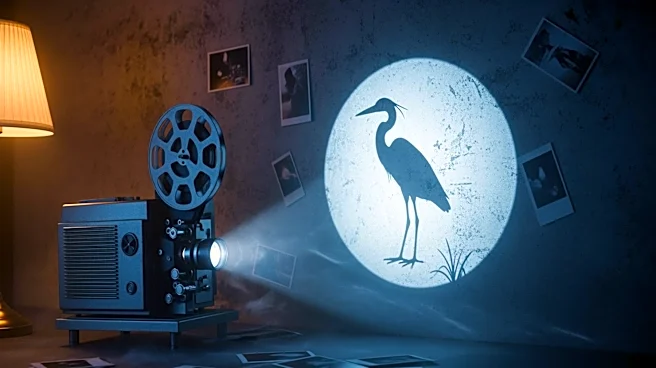
The film 'Blue Heron,' directed by Sophy Romvari, is an autobiographical piece that delves into her childhood experiences. Set during her family's move to Vancouver Island, the film uses a blend of documentary and fiction to explore past events and emotions.
It portrays the dynamics within her family, particularly focusing on her elder half-brother Jeremy's struggles. The film employs actors to recreate family members and events, allowing Romvari to reflect on her past with a mature perspective. 'Blue Heron' is noted for its rich detail and emotional depth, capturing the essence of a 1990s Canadian summer and the complexities of familial relationships.
Why It's Important?
The film 'Blue Heron' is significant as it highlights the power of cinema to explore personal and collective memories. By blending documentary and fiction, it offers a unique narrative approach that can resonate with audiences on multiple levels. The film's exploration of family dynamics and mental health issues provides a platform for discussions on these important topics. It also showcases the potential of autobiographical storytelling in film to provide insight and understanding of personal histories, potentially influencing how filmmakers approach similar subjects in the future.
Beyond the Headlines
Beyond its narrative, 'Blue Heron' raises questions about the nature of memory and the role of cinema in preserving and interpreting personal histories. The film's approach to re-enacting past events invites viewers to consider the reliability of memory and the ways in which storytelling can shape our understanding of the past. It also touches on broader themes of identity and belonging, as Romvari navigates her family's immigrant background and her own place within it. These elements contribute to a deeper cultural and psychological exploration, making 'Blue Heron' a thought-provoking piece of cinema.