








What's Happening?
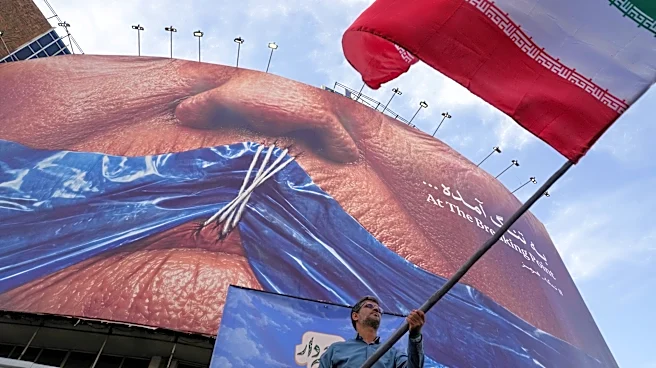
The ongoing conflict involving Iran has significantly impacted global energy markets, according to key oil and gas company executives. The blockade of the Strait of Hormuz by Iran has led to a substantial loss of oil, highlighting the fragility of the global energy system.
CEOs from major oilfield service companies, including SLB and Baker Hughes, have emphasized the need for structural changes in energy security and supply diversification. The disruption has prompted governments and industries to prioritize energy security, with a focus on diversifying energy supplies and rebuilding oil stockpiles. U.S. crude oil has become increasingly important in maintaining global energy security, with exports reaching record highs. The market has shifted from a surplus to a deficit, supporting elevated oil prices and encouraging investment in offshore and deepwater opportunities, particularly in Africa.
Why It's Important?
The Iran conflict underscores the vulnerability of global energy systems and the critical need for diversified energy sources. The disruption in oil supply has led to increased oil prices, affecting global economies and prompting a reevaluation of energy security strategies. The U.S. stands to benefit from this shift, as its crude oil becomes a vital component in global energy security. The focus on diversifying energy supplies and investing in alternative energy sources could lead to long-term changes in energy infrastructure and policy. This situation highlights the interconnectedness of global energy markets and the potential for geopolitical events to have widespread economic impacts.
What's Next?
As the conflict continues, governments and industries are likely to accelerate efforts to diversify energy supplies and enhance energy security. This may involve increased investment in renewable energy sources and infrastructure improvements. The U.S. could see a boost in its energy sector, with potential policy changes to support increased production and export of crude oil. The focus on energy security may also lead to international collaborations and agreements aimed at stabilizing global energy markets. The long-term impact of these changes could reshape the global energy landscape, with significant implications for energy policy and economic stability.