







What's Happening?
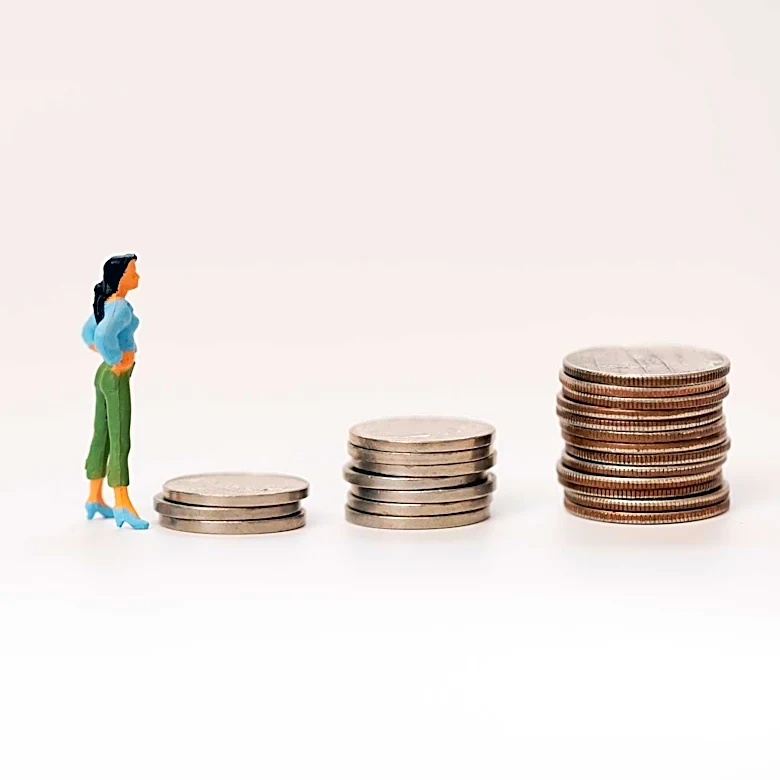
A recent analysis has revealed significant wage disparities between CEOs and their employees in the retail sector. The study examined the compensation of 25 CEOs from major retail and restaurant companies, finding that many of these executives earned
as much in a single day as their typical employees did in an entire year. For instance, Hal Lawton of Tractor Supply Co. earned $88,431 per day, while the median worker's annual compensation was $24,376. Similarly, Laura Alber of Williams-Sonoma made $91,226 daily, compared to a median worker salary of $24,943 annually. The report highlights that some CEOs, such as Chris Turner and David Gibbs of Yum Brands, earned $49,054 per day, with the company presenting a combined amount for the portion of the year each served as CEO. Notably, Costco was an exception due to its higher median worker pay.
Why It's Important?
The findings underscore the growing concern over income inequality within the corporate sector, particularly in retail. The substantial gap between executive and worker pay raises questions about fairness and the distribution of wealth within companies. This disparity can impact employee morale and retention, as workers may feel undervalued compared to the high earnings of their leaders. Additionally, such wage gaps can attract scrutiny from policymakers and the public, potentially leading to calls for regulatory changes or increased transparency in executive compensation. The issue also highlights the broader economic debate about the balance between rewarding leadership and ensuring equitable pay for all employees.
What's Next?
As awareness of these disparities grows, companies may face pressure to address wage inequality. This could involve reevaluating compensation structures to ensure a more equitable distribution of earnings. Additionally, there may be increased advocacy for policies that promote transparency in executive pay and encourage fair compensation practices. Stakeholders, including investors and employees, might demand more accountability from corporate boards regarding how executive pay is determined. The ongoing discussion around income inequality could also influence future legislative efforts aimed at narrowing the wage gap across various industries.