





What's Happening?
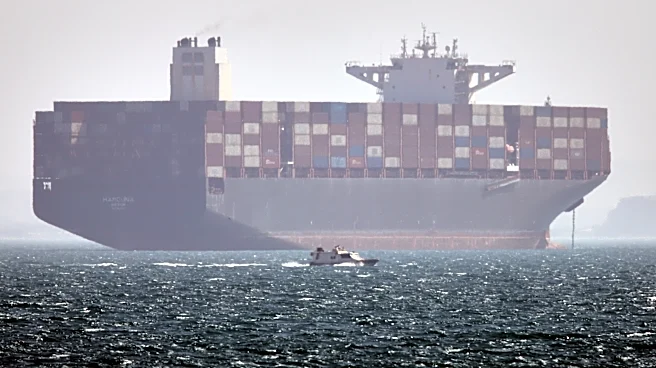
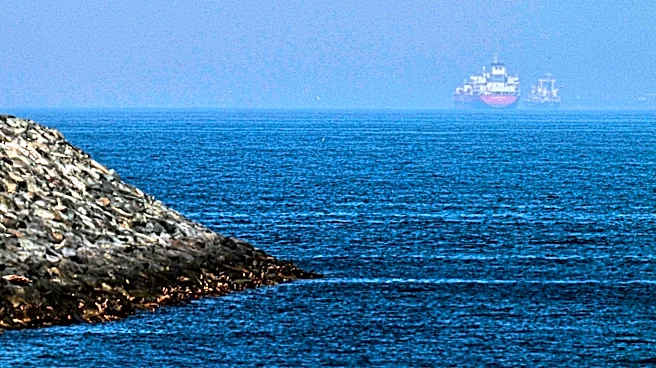
Equinor, a major Norwegian energy company, has experienced a significant rise in demand for its energy exports following disruptions caused by the ongoing conflict in Iran. The closure of the Strait of Hormuz, a critical passage for global energy exports,
has led to a substantial decrease in the availability of petroleum and liquefied natural gas (LNG) from Gulf producers. This situation has resulted in a loss of 12 million barrels of oil per day, impacting the supply of refined products like diesel and jet fuels. Equinor's CEO, Anders Opedal, noted that the company has seen increased interest from customers in Asia, who are now reaching out more frequently to secure energy supplies. The company has also reported its highest quarterly earnings in three years, driven by high output and rising petroleum prices due to the conflict.
Why It's Important?
The increased demand for Equinor's energy exports highlights the broader impact of geopolitical conflicts on global energy markets. The disruption in the Strait of Hormuz has created a ripple effect, affecting energy supply chains and prompting countries to seek alternative sources. This shift underscores the vulnerability of global energy infrastructure to regional conflicts and the importance of diversifying energy supply routes. For Equinor, the situation presents an opportunity to expand its market reach, particularly in Asia, where demand for energy is growing. However, the rise in shipping costs poses a challenge, although Equinor's strategic management of its shipping fleet has helped maintain profitability.
What's Next?
As the conflict in Iran continues, it is likely that the demand for alternative energy sources will persist, potentially leading to long-term shifts in global energy trade patterns. Equinor may continue to benefit from increased export opportunities, particularly if it can effectively manage logistical challenges and shipping costs. Additionally, other energy producers may seek to capitalize on the situation by increasing their output or exploring new markets. The ongoing geopolitical tensions could also prompt countries to invest in energy security measures, such as diversifying their energy sources and enhancing domestic production capabilities.