





What's Happening?
The Democratic Republic of Congo (DRC) has implemented a quota system for cobalt hydroxide exports, capping them at 96,600 tonnes for 2026. This move follows a previous export ban and represents less than half of the country's 2024 production levels.
The quota has led to a significant price increase, with cobalt hydroxide prices rising by 263% from US$4,012 per tonne in Q4 2024 to US$14,560 per tonne in Q4 2025. The DRC's decision has caused supply chain disruptions, with no exports leaving the country since June 2025. This has resulted in a supply squeeze, particularly affecting Chinese stocks, which could face shortages by early 2026. Meanwhile, Indonesia is expanding its cobalt production, potentially strengthening its position in the global market if DRC's export delays continue.
Why It's Important?
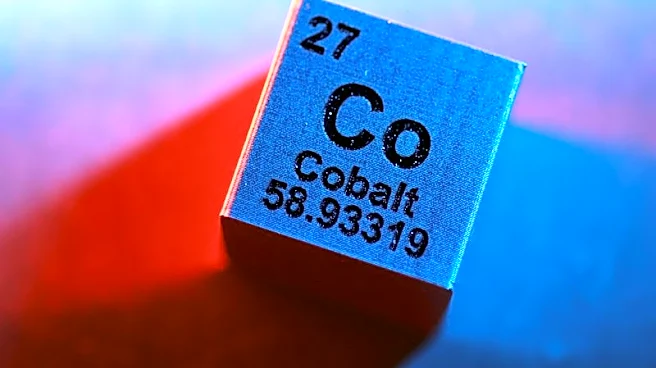
Cobalt is a critical component in battery production, consumer electronics, and aerospace industries. The DRC's quota system has created a supply crunch, leading to increased prices and potential shortages, particularly in China, which relies heavily on DRC's cobalt. This situation underscores the geopolitical and economic significance of cobalt, as countries and companies vie for control over this essential resource. The rising prices and supply uncertainties could impact industries dependent on cobalt, potentially leading to increased costs for batteries and electronic devices. Additionally, Indonesia's growing production capacity may shift the global supply dynamics, offering an alternative source for cobalt and reducing dependency on the DRC.
What's Next?
The global cobalt market is likely to experience continued volatility as stakeholders adjust to the DRC's export restrictions. Companies may seek to diversify their supply chains, potentially increasing investments in alternative sources like Indonesia. The situation may also prompt further exploration of recycling and alternative materials to mitigate supply risks. Policymakers and industry leaders will need to navigate these challenges to ensure stable supply chains and manage the economic impacts of fluctuating cobalt prices.