



What's Happening?
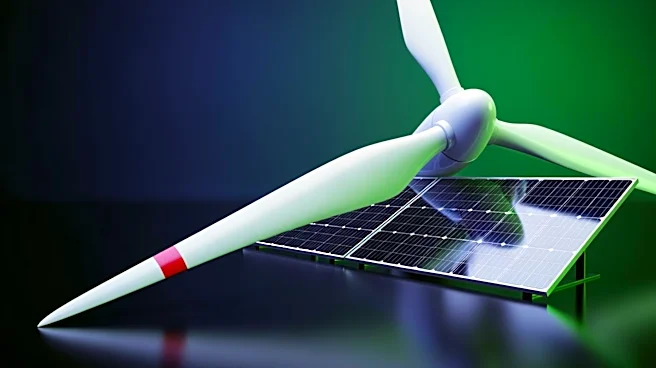
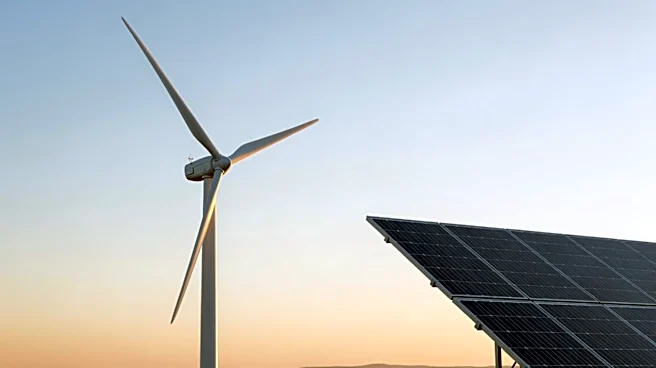
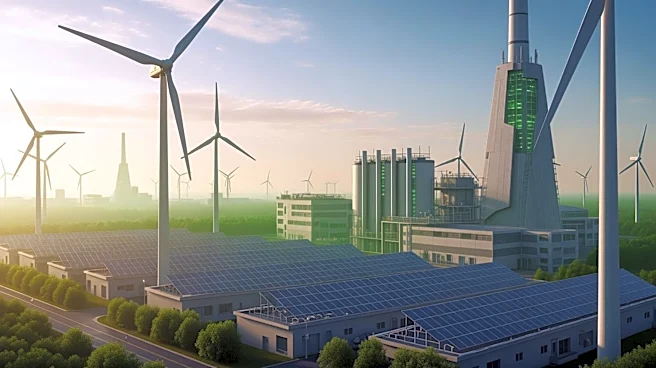
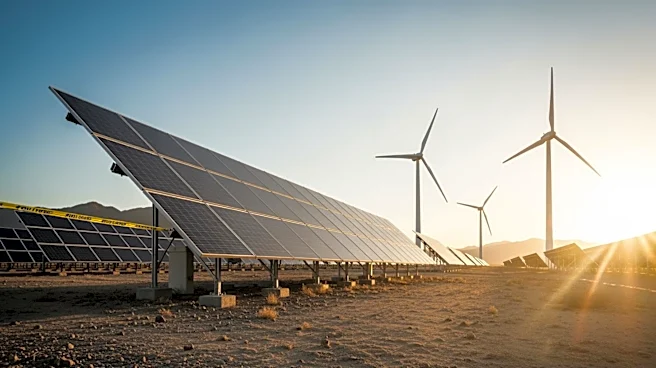
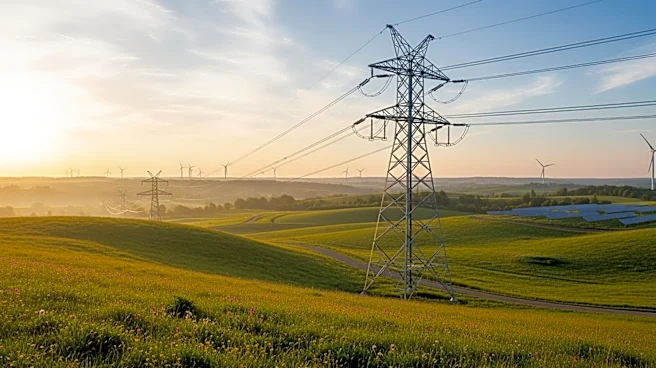
Fortescue Ltd is advancing its plans to establish a fully integrated green energy grid in the Pilbara region, aiming to eliminate fossil fuels from its industrial operations. The company is developing a standalone, high-voltage power network that combines
solar, wind, and battery storage to provide stable electricity. This initiative is part of Fortescue's 'Real Zero' ambitions, targeting a complete transition to renewable energy by 2030. The project includes 1.2 GW of solar capacity, over 600 MW of wind generation, and 4-5 GWh of battery storage. Fortescue plans to complete 290 MW of renewable capacity by early next year, enabling green processing at its ore facilities. The company expects to save $100 million in fossil fuel costs by next year and further reduce operational costs upon full implementation.
Why It's Important?
This development is significant as it represents a major step towards decarbonizing large-scale industrial operations, setting a precedent for other industries to follow. By eliminating reliance on fossil fuels, Fortescue not only reduces its carbon footprint but also mitigates the risks associated with volatile fossil fuel markets. The project demonstrates the economic viability of renewable energy, potentially influencing policy and investment decisions in the energy sector. Fortescue's initiative could inspire similar projects globally, contributing to broader efforts to combat climate change and transition to sustainable energy sources.
What's Next?
Fortescue plans to complete its green grid by 2028, with ongoing deployment of renewable infrastructure. The company aims to expand its green energy system by an additional 2 GW, supported by proprietary technologies and AI systems. Fortescue intends to license its technology to other major energy users, potentially accelerating the global adoption of renewable energy solutions. The success of this project could lead to further investments in renewable infrastructure and influence energy policies worldwide.