






What's Happening?
DNV has introduced a new recommended practice (RP) for the use of hydrogen as a fuel in the maritime industry. This guideline is designed to establish competence requirements for crew members, inspectors, and technical personnel involved in the handling
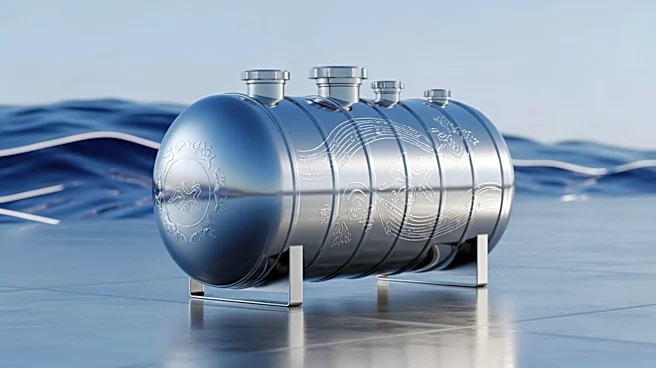
of hydrogen systems on ships. The initiative comes as hydrogen is increasingly being considered as a viable marine fuel, with seven vessels currently using it and an additional 30 ships on order. Despite its potential, the adoption of hydrogen as a marine fuel faces several safety challenges, including risks of hydrogen leakage, low ignition energy, and the complexities of managing high-pressure or cryogenic storage systems.
Why It's Important?
The introduction of these guidelines by DNV is a significant step towards addressing safety concerns associated with hydrogen fuel in the maritime sector. As the industry seeks to decarbonize, hydrogen presents a promising alternative to traditional fossil fuels. However, its adoption has been hindered by safety risks. By providing a framework for safe handling and operation, DNV's guidelines could accelerate the transition to cleaner energy sources in shipping. This move is crucial for reducing the carbon footprint of the maritime industry, which is a significant contributor to global emissions. The guidelines could also influence regulatory standards and encourage more shipping companies to invest in hydrogen technology.
What's Next?
The maritime industry is likely to see increased interest in hydrogen fuel as companies and regulators assess the new guidelines. Shipping companies may begin to incorporate these practices into their operations, potentially leading to more hydrogen-powered vessels entering service. Additionally, regulatory bodies might consider these guidelines when developing future safety standards for alternative marine fuels. The success of these guidelines could also prompt further research and development in hydrogen technology, potentially leading to innovations that address current safety and storage challenges.