
What's Happening?
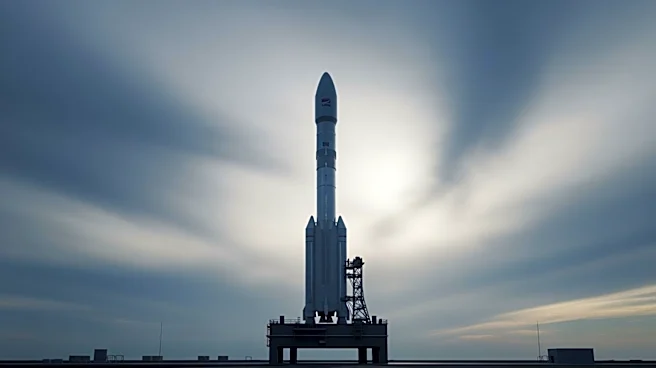
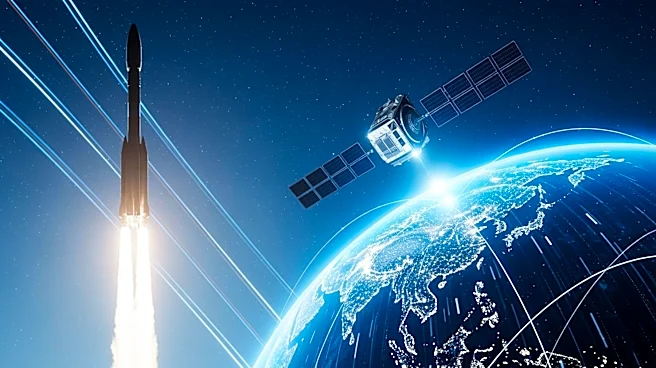
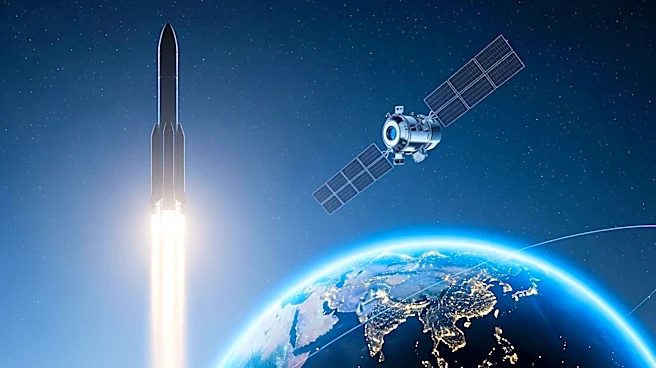
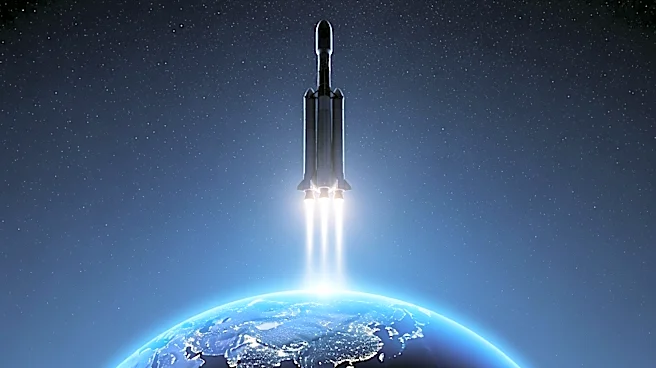
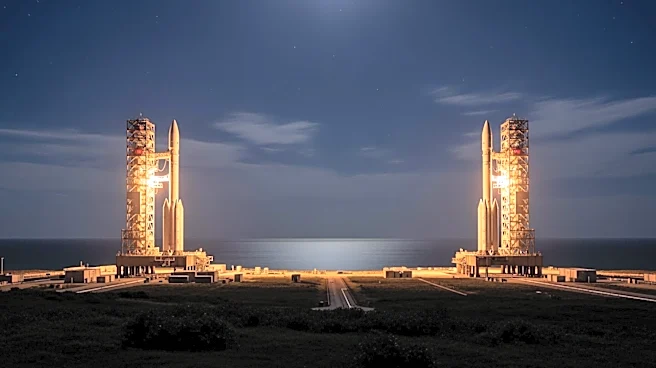
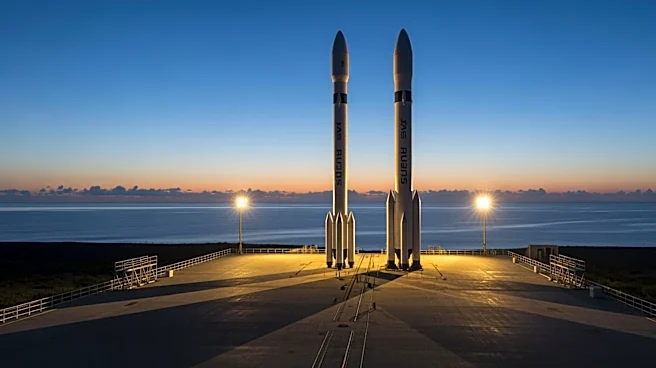
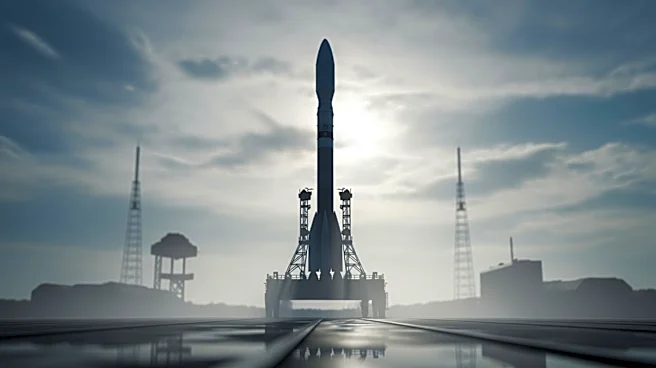
SpaceX is set to make a second attempt to launch its Falcon Heavy rocket from NASA's Kennedy Space Center after a weather-related delay. The launch, scheduled for April 28, aims to deploy the ViaSat-3
F3 satellite into a geosynchronous transfer orbit. This mission is significant as it marks the third and final satellite in the ViaSat-3 series, which will enhance global internet connectivity. The launch window opens at 10:13 a.m. EDT, with favorable weather conditions predicted.
Why It's Important?
The successful deployment of the ViaSat-3 F3 satellite is crucial for expanding global internet coverage, particularly in the Asia-Pacific region. This mission underscores SpaceX's role in advancing satellite technology and its impact on global communications. The Falcon Heavy's capability to deliver large payloads to orbit is a testament to SpaceX's engineering prowess and its contribution to the commercial space industry. The mission also highlights the growing demand for high-speed internet access worldwide, driving technological and economic growth.
What's Next?
Following the launch, the ViaSat-3 F3 satellite will undergo a series of deployment and checkout procedures before becoming operational. SpaceX will continue to refine its launch capabilities, potentially leading to more frequent and efficient satellite deployments. The success of this mission could pave the way for future collaborations and contracts, further solidifying SpaceX's position in the aerospace sector.
Beyond the Headlines
The launch of the ViaSat-3 F3 satellite represents a significant step in the evolution of satellite internet services. It highlights the potential for satellite technology to bridge the digital divide, providing connectivity to underserved regions. This mission also raises questions about the sustainability of increased satellite deployments and their impact on space traffic management and orbital debris.